|
Archive for March, 2010
Tuesday, March 2nd, 2010
New products today at Crocus
 Bougainvillea Temple Fire
 £24.99
save £10.00 was £34.99Position: in summer move it outside where it gets lots of sun, then move it to a bright, heated conservatory in winterSoil: loam-based potting compostRate of growth: average Flowering period: July to September Flower colour: firey-orangeHardiness: tender (needs winter protection)Brightly coloured, orange-red flower bracts create a riot of colour that will usually last for several weeks, before they fade to pink and then fall from the plant. Often these appear in waves throughout the year, so it is possible to have an extended period of interest. This is a compact form, that is well suited to pots and containers, making it ideal for conservatories or a sunny patio. It must however be moved to a frost-free spot, such as a conservatory or temperate greenhouse in autumn to protect it during winter. The bronze-tipped foliage contrasts well with the flowers and will remain evergreen as long as the temperatures don’t drop below 2C.This plant is a bush and comes in a 3 litre pot and will be aproximately 25cm tall.Garden care: Bougainvilleas are long-lived, and can last for over 50 years if given the correct care. They much prefer a heated conservatory and tend to go dormant at around 10°C, at which point they will lose all their leaves and flowers. Temperatures below this can be fatal. Once dormant, keep them on the dry side until they come back into growth. When they are growing well, feed weekly with a balanced liquid fertiliser and lightly prune to keep the plant bushy. Water moderately during the growing season, and re-pot or top-dress in spring.
Read the rest of this entry »
Filed: Crocus, New Products
Monday, March 1st, 2010
Price reduction on this item at John Lewis
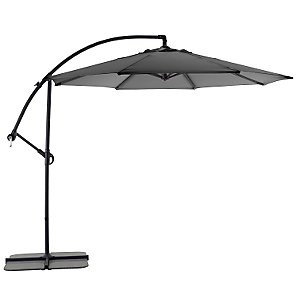 Freestanding Garden Parasol, Black
 was £152.00 now £125.00
This freestanding parasol has an ingenious design. Its off-centre powder coated aluminium frame means you can position chairs under it, rather than to the side of it, so you can all avoid being scorched. The polyester canopy can be sponge cleaned. Requires four 45 x 45cm base slabs.
Filed: John Lewis, Price Reductions
Monday, March 1st, 2010
New items today at John Lewis
 John Lewis Resol Pole Armchair, Lime
 £59.00
Funky Funky contemporary dining chair, with a polypropylene shell. The sculpted design allows water to drain away quickly; the legs are made from high-resistance anodisem aluminium with a matte finish.Stackable, and suitable for indoor use.
Read the rest of this entry »
Filed: John Lewis, New Products
Monday, March 1st, 2010
New item today at Crocus
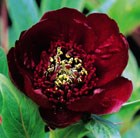 tree peony / tree paeony
 £19.99
Position: full sun or partial shadeSoil: fertile, moisture-retentive yet well-drainedRate of growth: averageFlowering period: April to JuneHardiness: fully hardyPrized for their blowsy, glamorous blooms and glossy, deeply cut foliage, peonies are held in deep affection by many gardeners, despite their short flowering season and vulnerability to peony wilt in damp weather. It’s easy to see why. The young leaves of this tree or shrub peony are flushed burgundy and in late spring, lustrous, single, maroon flowers appear among the handsome dark green foliage. This magnificent tree peony is ideal for a sunny border, planted among shrubs that flower later in the summer. Plant spring bulbs around the base to prolong the season of interest. Garden care: Protect from cold winds and early morning sun. Support the branches of young trees with canes. In early spring apply a top-dressing of a balanced, slow-release fertiliser around the base of the plant and mulch well with well-rotted compost or manure. If the plant shows signs of collapse or the leaves become spotty, this may be a symptom of peony botrytis. Remove affected leaves immediately. In the autumn, cut off all the foliage and dispose of it to prevent reinfection the following spring. The older stems of tree peonies have a tendency to become brittle and snap, so cut these back to the ground in autumn every two or three years.
Filed: Crocus, New Products
|
|



