|
Archive for October, 2013
Wednesday, October 23rd, 2013
New products at Garden Centre Online
25kg Dawn Chorus Berry Suet Pellets (2 bags of 12.5kg) £35.99
25kg Dawn Chorus Berry Suet Pellets (2 bags of 12.5kg) The Berry Suet Pellets are a blend of suet, sugars and wild berries to provide wild birds with a high energy food source with calcium to help maintain healthy bones and feathers. Popular with Softbills these berry treats contain a delicious blend of wild berries encased within a super-rich suet pellets. Scatter on the ground or table, or add to seed mixes and put into nut feeders.
Read the rest of this entry »
Filed: Garden Centre Online, New Products
Wednesday, October 23rd, 2013
Tooled Up has these new items today
Read the rest of this entry »
Filed: New Products, Tooled Up
Wednesday, October 23rd, 2013
Price cut on this item at Waltons
 6ft x 6ft Waltons Pressure Treated Vertical Hit and Miss Fencing was £59.99 now £39.99
The 6’ Pressure Treated Vertical Hit and Miss Garden Fencing is a great fence for static boundary enforcement. Being a respectable 6’ tall, this fencing is perfect for turning your property into your own retreat. The assembled structure of the Vertical Hit and Miss utilises a covered panel system. The panels are laid vertically edge to edge and additional panels are laid in correlation vertically over the corresponding gaps. This type of construction provides guarding from wind and rain and locks the existing warmth into your garden for a comfortable temperature.This particular fencing makes the use of the same materials used for our wooden sheds, playhouses and summerhouses. So if you have already purchased one of these products, this fencing may be just what you need to incorporate a touch of continuity to your garden.Please note The garden fencing is pre-treated with a water based Timber treatment. We do however recommend you treat the fence yourself after purchase with our high quality preservative for maximum durability. Various colours of preservative allow you to customise your garden.The fence arrives in fixed units for easy installation.Delivery is FREE to most UK postcodes.
Filed: Price Reductions, Walton Garden Buildings
Wednesday, October 23rd, 2013
Price reduction at Suttons Seeds
Cosmea Seeds – Sensation Tall Mix was £1.99 now £1.85
Excellent for the mixed border. Height 90cm (3′).Attractive to bees and other pollinatorsWill add height to the back of bordersBright, colourful flowersAdopt a beehive or become a friend! – see details inside packet.
Filed: Price Reductions, Suttons Seeds
Wednesday, October 23rd, 2013
Suttons Seeds just added this new product
Chocolate Smartphones – Milk & Dark £14.99
Chocolate Smartphones …….. Now you’ll look at your smartphone greedily! 1 of each – Milk & Dark Chocolate – 80g. VOTED THE BEST ORIGINAL & SURPRISING GIFT IN 2013! Handmade Chocolate Flowers for Connoisseurs – We are very pleased to once again offer our exceptional range of luxury chocolate flowers made by the family firm Guisabel -Winner of many prestigious awards. Guisabel are based in the Loire region of France and create a wonderful range of handmade chocolates, made of pure cocoa butter. Rich in vitamins and minerals, required for both body and mind, they will make superb gifts for treasured family and friends. May contain nuts.
Filed: New Products, Suttons Seeds
Wednesday, October 23rd, 2013
New product at RoLawn Direct
Rolawn Lawn Top Dressing (0.73m³ Bulk Bag – 730 litres approx volume when packed) £139.34
Rolawn Lawn Topdressing is a high quality, sand based, multi-purpose lawn dressing, designed for use on Rolawn lawns. It can also be used to improve any utility lawn. It will enhance a lawn’s appearance, stimulate new grass growth, level an uneven lawn, improve drainage and tolerance to wear and tear and reduce thatch. Top dressing can be applied anytime, when the grass is actively growing.
Filed: New Products, RoLawn Direct
Wednesday, October 23rd, 2013
Also sometimes known as fartichokes as they .. well you can guess. Taste ok though and make great chips. Easy to grow. Just plant them and forget about them until you want to harvest them. You’re likely to not get them all out so plant them somewhere you don’t mind them growing forever. They do sometimes produce flowers – mine have this year. Tiny versions of sunflowers at the end of hugely long stems.
Sometimes recommended as a wind break (ironic) but can blow over themselves once they get too tall. A good perennial veg plant to have as you can save a few tubers each year and replant them – but most of the time you won’t have to. Leave them in the ground until they’re wanted. In wet years they don’t do as well – 2012 wasn’t a good year for them because of the excessive rain we had.
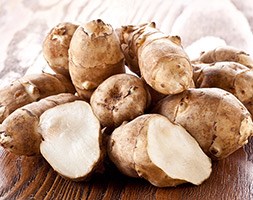
Jerusalem artichoke Fuseau (Jerusalem artichoke bulbs) £2.99
Position: full sun Soil: any moderately, fertile soil Rate of growth: average Other features: great alternative to potatoes Hardiness: fully hardy A much under-rated vegetable which has edible tubers that have a potato-like texture and are delicious. Originally from North America, Jerusalem artichoke is a member of the daisy family and is closely related to the sunflower. Plant the tubers as soon as possible 30-40cm apart in soil that has had added organic matter. The plants make an excellent screen or windbreak and the tubers are ready to harvest from between October and early spring. Garden care: Dig added organic matter into the soil and plant the tubers 30-40cm apart. Earth-up the base of the stems when the plants are about 30cm high. Water well when the weather is dry. During the summer months remove any flower buds as they form and feed occassionally with liquid fertiliser.
Filed: Crocus
Wednesday, October 23rd, 2013
GreenFingers reduced the price on these products today
Copper Spiral Wind Spinner was £5.49 now £3.99
This delicate and unusual piece of garden art will create beautiful visual effects captivating all with hypnotic beauty. When spinning it creates an entrancing effect of rise and fall. Sunlight will dance off the highly polished surface as it spins in the breeze and reflects rays of glowing light and the central glass amber ball will capture reflections from the environment. Not only a thing of beauty when hung near windows or patio doors it will help to keep birds away and prevent them from getting injured. The perfect way to enhance any outdoor space. Product specifications:Colour: CopperDimensions: H: 32 x W: 7 x D: 6.5cm For ideas and inspiration for your garden d
Read the rest of this entry »
Filed: GreenFingers, Price Reductions
Wednesday, October 23rd, 2013
GreenFingers has these new products today
Parasene Superwarm 4 Paraffin Greenhouse Heater £29.99
Perfect for greenhouses up to 4 square metres this Parasene Superwarm 4 Paraffin Greenhouse Heater provides up to 7 days heating per filling! A fabulous economical durable greenhouse heater that is quality made to last for years and specially designed to fully heat a small greenhouse. You can use it to heat other small areas too!Having a heater can enable you to start your growing season early so that your seedlings are well established when the frosts have finished. You might want to keep in mind that early seedlings of tomato and cucumber will give you a head start on a longer season to get more production. Capacity: 4.5 litresDimensions: W27 x D27 x H43cmPlease note: this comes flat packed for easy assembly.
Read the rest of this entry »
Filed: GreenFingers, New Products
Wednesday, October 23rd, 2013
Lots of types of lavender. Fill your garden with this lovely plant. Great winter colour from the pale thin leaves, beautiful summer flowers and fragrance, and you can cut the flower stems to make lavender bags.
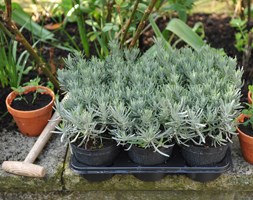
Lavandula angustifolia (lavender promotion – 6 pack) £24.99
Position: full sun Soil: moderately fertile, well-drained soil Rate of growth: average Flowering period: July to September Flower colour: pale to deep purple Other features: the aromatic flowers and leaves can be used for making pot-pourri Hardiness: fully hardy Dense spikes of fragrant, pale to deep purple flowers appear in summer above the mounds of steely, grey-green foliage. This English lavender makes a fabulous informal hedge and is perfect for a sunny, well-drained site. The fragrant flower-spikes are highly attractive to bees and other beneficial insects. Garden care: Cut back the stalks after the flowers have faded. Carefully trim back in April, taking care not to cut into old wood.
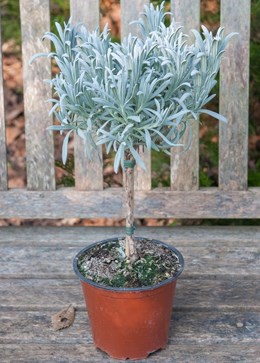
Lavandula angustifolia ‘mini stem standard’ (lavender mini-standard) £14.99
Position: full sun Soil: moderately fertile, well-drained soil Rate of growth: average Flowering period: July to September Hardiness: fully hardy Lavenders are universally loved. They have aromatic foliage, that will release its delicious scent each time it is brushed against and rich purple, summer flowerspikes that attract bees, look good in both fresh and dried arrangements and make excellent additions to pot pourri. It is growing in a 3 litre pot and trained as mini-standard. They will look great when potted up and placed on a sunny patio. Garden care: Cut back the stalks after the flowers have faded. Carefully trim back in April, taking care not to cut into old wood.
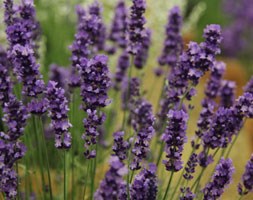
Lavandula angustifolia ‘Hidcote’ (lavender Hidcote promotion – 6 pack) £14.97
Position: full sun Soil: moderately fertile, well-drained soil Rate of growth: average Flowering period: July to September Hardiness: fully hardy A compact form of the popular English lavender, named after plantsman Laurence Johnston’s famous Arts and Crafts garden in Gloucestershire. It produces dense spikes of fragrant, deep violet summer flowers above slender, aromatic, silvery-grey leaves. It is possibly the best lavender for edging paths and borders and the aromatic foliage perfumes the air if you brush against it. It also works well in a gravel garden, or clipped into a formal sphere for a contemporary look. The flower-spikes are highly attractive to bees and other nectar-loving insects. Garden care: Cut back the stalks after the flowers have faded. Carefully trim back in April, taking care not to cut into old wood.
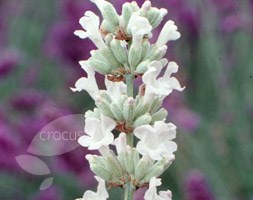
Lavandula angustifolia ‘Arctic Snow’ (lavender) £11.99
Position: full sun Soil: moderately fertile, well-drained soil Rate of growth: average Flowering period: July to September Hardiness: fully hardy Dense spikes of pure white, fragrant flowers appear in late summer which shine out among aromatic, grey-green leaves. This is a compact variety of English lavender that makes a gorgeous, informal flowering hedge, especially for edging a path and border, and brushing against it releases its heady fragrance. The flower-spikes are highly attractive to bees and other beneficial insects. Garden care: Cut back the stalks after the flowers have faded to retain a compact shape. Carefully trim back in April, taking care not to cut into old wood.
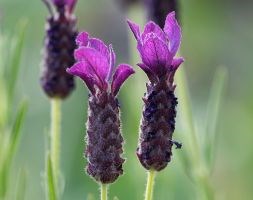
Lavandula ‘Regal Splendour’ (PBR) (French lavender) £9.99
Position: full sun Soil: moderately fertile, well-drained soil Rate of growth: average Flowering period: April to May Hardiness: borderline hardy (may need winter protection) From fat round flowerheads, delicate, upright flags emerge like butterfly wings and flutter in the breeze among grey-green aromatic leaves. This French lavender has dark purple flowers and looks wonderful planted en masse in a protected, sunny border where its heady fragrance can be enjoyed. Like most French lavenders, it is earlier flowering than its English cousins, but associates well with them if you want to prolong the season of lavender in your garden. The flower-spikes are also a magnet for bees and other nectar-loving insects. As it’s borderline hardy it is best grown in a container in colder areas of the country and should be over-wintered in a cool greenhouse or conservatory. Garden care: Cut back the stalks after the flowers have faded to retain a compact shape. Carefully trim back in April, taking care not to cut into old wood.

Lavandula ‘Willow Vale’ (lavender) £9.99
Position: full sun Soil: moderately fertile, well-drained soil Rate of growth: average Flowering period: June and July Flower colour: purple Other features: the aromatic flowers and leaves can be used for making pot-pourri Hardiness: borderline hardy (may need winter protection) This French lavender makes a stunning, informal flowering hedge for a sunny, protected site. In frost-prone areas it is best grown as a pot-plant and over-wintered indoors. It has crinkly edged foliage and lovely, long, pale lavender flags. Garden care: Cut back the stalks after the flowers have faded. Carefully trim back in April, taking care not to cut into old wood.
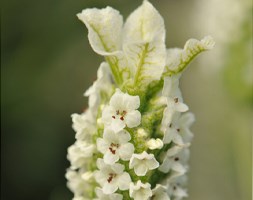
Lavandula stoechas subsp. stoechas f. leucantha ‘Snowman’ (white French lavender) £8.99
Position: full sun Soil: moderately fertile, well-drained soil Rate of growth: average Flowering period: June and July Hardiness: borderline hardy (may need winter protec tion) As the name suggests, this French lavender has spikes of pure white flowers, topped with distinctive white, butterfly-like tufts from late spring to summer and grey-green, aromatic leaves. It makes a striking feature planted en masse as a fragrant edging for a sunny, protected border, along a path or in a container. Like most French lavenders, this is earlier flowering than its English cousins, but associates well with them if you want to prolong the season of lavender in your garden. The flower-spikes are also a magnet for bees and other beneficial insects. In frost-prone areas it is best grown in a large container and over-wintered indoors. As it’s borderline hardy it is best grown in a container in colder areas of the country and should be over-wintered in a cool greenhouse or conservatory. Garden care: Cut back the stalks after the flowers have faded to retain a compact shape. Carefully trim back in April, taking care not to cut into old wood.
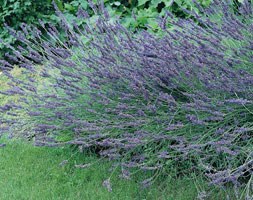
Lavandula x intermedia ‘Grosso’ (lavender) £8.99
Position: full sun Soil: moderately fertile, well-drained soil Rate of growth: vigorous Flowering period: July to August Hardiness: fully hardy This vigorous English lavender produces masses of long, slender stems, that are topped with clusters of vivid violet flowers between July and August, above mounds grey-green leaves. It makes a gorgeous, flowering, informal hedge, especially along a path, where its fabulous fragrance can best be appreciated. It works well in a Mediterranean garden, or clipped into a formal sphere for a contemporary look. The highly scented flower-spikes are also a magnet for bees and other nectar-loving insects. Garden care: Cut back the stalks after the flowers have faded to retain a compact shape. Carefully trim back in April, taking care not to cut into old wood.

Lavandula angustifolia ‘Rosea’ (lavender) £8.99
Position: full sun Soil: moderately fertile, well-drained soil Rate of growth: average Flowering period: July to September Hardiness: fully hardy Dense spikes of fragrant, rose-pink flowers appear in summer above slender, steely, grey-green foliage. It makes a gorgeous, flowering, informal hedge, especially along a path, where its fragrance can be appreciated. It also works well in a gravel garden, or clipped into a formal sphere for a contemporary look. The cloud-like effect of its soft pink flowers means it looks particularly good with roses, or as part of a cottage garden scheme. The flower-spikes are highly attractive to bees and other beneficial insects. Garden care: Cut back the stalks after the flowers have faded. Carefully trim back in April, taking care not to cut into old wood.

Lavandula pedunculata subsp. pedunculata (French lavender (syn. Papillon)) £8.99
Position: full sun Soil: moderately fertile, well-drained soil Rate of growth: average Flowering period: June and July Hardiness: borderline hardy (may need winter protection) From fat round flowerheads, delicate, upright petals emerge like butterfly wings and flutter in the breeze among grey-green, aromatic leaves. This French lavender has pale mauve flowers and looks wonderful planted en masse in a protected, sunny border where its heady fragrance can be enjoyed. Like most French lavenders, it is earlier flowering than its English cousins, but associates well with them if you want to prolong the season of lavender in your garden. The flower-spikes are also a magnet for bees and other nectar-loving insects. As it’s borderline hardy it is best grown in a container in colder areas of the country and should be over-wintered in a cool greenhouse or conservatory. Garden care: Cut back the stalks after the flowers have faded to retain a compact shape. Carefully trim back in April, taking care not to cut into old wood.
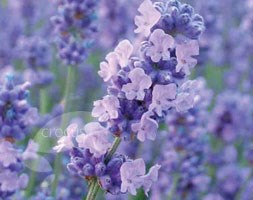
Lavandula angustifolia Melissa Lilac (‘Dow4’) (PBR) (lavender) £8.99
Position: full sun Soil: moderately fertile, well-drained soil Rate of growth: average Flowering period: July to September Hardiness: fully hardy Stunning, large, lilac-coloured, fragrant flower spikes appear in summer above slender, aromatic, silvery-grey leaves. This is a lovely lavender for edging paths and borders; the aromatic foliage perfumes the air if you brush against it. It also works well in a gravel garden, or clipped into a formal sphere for a contemporary look. The flower-spikes are highly attractive to bees and other beneficial insects. Garden care: Cut back the stalks after the flowers have faded. Carefully trim back in April, taking care not to cut into old wood.

Lavandula ‘Helmsdale’ (PBR) (French lavender) £8.99
Position: full sun Soil: moderately fertile, well-drained soil Rate of growth: average Flowering period: May to July Flower colour: burgundy purple Other features: the aromatic flowers and leaves can be used for making pot-pourri Hardiness: borderline hardy (may need winter protection) Compact bushy shrub with aromatic grey-green leaves and broad spikes of fragrant burgundy purple flowers topped by purple bracts. This gorgeous French lavender makes a neat, compact edging for a sunny path or border. In frost-prone areas, grow in a container and over-winter in a cool greenhouse or conservatory. Garden care: Cut back the stalks after the flowers have faded. Carefully trim back in April, taking care not to cut into old wood.
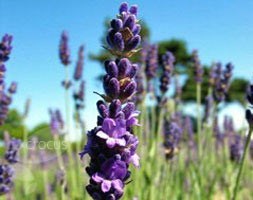
Lavandula angustifolia ‘Elizabeth’ (lavender) £8.99
Position: full sun Soil: moderately fertile, well-drained soil Rate of growth: average Flowering period: July to September Hardiness: fully hardy A new variety, with dense spikes of shocking violet flowers in late summer that shine out among aromatic, silvery-grey leaves. It’s fairly compact, so makes a gorgeous, informal flowering hedge, especially for edging a path and border, and brushing against it releases its heady fragrance. The flower-spikes are highly attractive to bees and other beneficial insects. Garden care: Cut back the stalks after the flowers have faded to retain a compact shape. Carefully trim back in April, taking care not to cut into old wood.
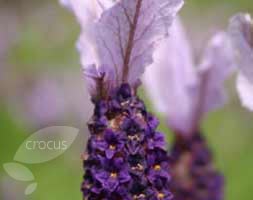
Lavandula Rocky Road (‘Fair 09’) (PBR) (French lavender) £8.99
Position: full sun Soil: moderately fertile, well-drained soil Rate of growth: average Flowering period: June to July Hardiness: borderline hardy (may need winter protection) A stunning new French lavender, with grey-green, aromatic leaves and fat flowerheads studded with tiny purple flowers, from which delicate, pink, upright flags emerge like butterfly wings and flutter in the breeze. It has a compact, upright habit, which makes it particularly good for small gardens. It looks wonderful planted en masse in a protected, sunny border where its heady fragrance can be enjoyed, or in a container. Like most French lavenders, it is earlier flowering than its English cousins, but associates well with them if you want to prolong the season of lavender in your garden. The flower-spikes are also a magnet for bees and other nectar-loving insects. In frost-prone areas it is best grown in a large container and over-wintered indoors. Garden care: Cut back the stalks after the flowers have faded to retain a compact shape. Carefully trim back in April, taking care not to cut into old wood.
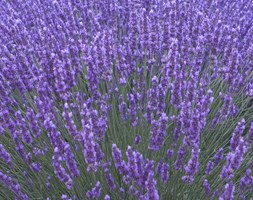
Lavandula angustifolia ‘Munstead’ (lavender) £7.99
Position: full sun Soil: moderately fertile, well-drained soil Rate of growth: average Flowering period: July to September Hardiness: fully hardy A compact lavender, named after Gertrude Jekyll’s garden at Munstead Wood. It produces dense spikes of fragrant, bluish-purple summer flowers above slender, aromatic, grey-green leaves. This is a lovely lavender for edging paths and borders; the aromatic foliage perfumes the air if you brush against it. It also works well in a gravel garden, or clipped into a formal sphere for a contemporary look. The flower-spikes are highly attractive to bees and other nectar-loving insects. Garden care: Cut back the stalks after the flowers have faded. Carefully trim back in April, taking care not to cut into old wood.
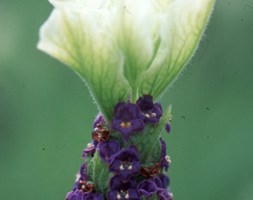
Lavandula ‘Tiara’ (French lavender) £5.99
Position: full sun Soil: moderately fertile, well-drained soil Rate of growth: average Flowering period: May to July Flower colour: blue with creamy-white flags Other features: highly aromatic flowers and leaves which can be used for making pot-pourri Hardiness: borderline hardy (may need protection in colder areas) Unusual spikes of large blue flowerheads topped with creamy-white flags throughout spring and summer, and aromatic silvery-grey leaves. An exciting new introduction to the French lavender range which has a compact yet upright habit, making it perfect for all gardens and in particular patio pots. As it’s borderline hardy it is best grown in a container in colder areas of the country and should be over-wintered in a cool greenhouse or conservatory. Garden care: Cut back the stalks after the flowers have faded. Avoid early spring pruning as flowers will be delayed. Keep dry during the winter
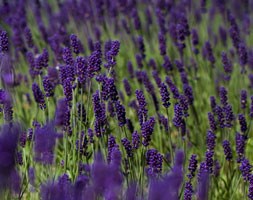
Lavandula angustifolia ‘Hidcote’ (lavender) £5.99
Position: full sun Soil: moderately fertile, well-drained soil Rate of growth: average Flowering period: July to September Hardiness: fully hardy A compact form of the popular English lavender, named after plantsman Laurence Johnston’s famous Arts and Crafts garden in Gloucestershire. It produces dense spikes of fragrant, deep violet summer flowers above slender, aromatic, silvery-grey leaves. It is possibly the best lavender for edging paths and borders and the aromatic foliage perfumes the air if you brush against it. It also works well in a gravel garden, or clipped into a formal sphere for a contemporary look. The flower-spikes are highly attractive to bees and other nectar-loving insects. Garden care: Cut back the stalks after the flowers have faded. Carefully trim back in April, taking care not to cut into old wood.
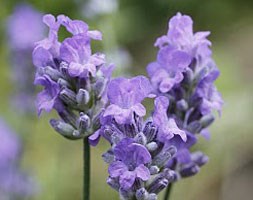
Lavandula angustifolia ‘Blue Cushion’ (Lavender) £4.99
Position: full sun Soil: moderately fertile, well-drained soil Rate of growth: average Flowering period: July to September Hardiness: fully hardy Blue-green foliage forms compact, cushion-like mounds that are topped with a profusion of upright flowerspikes for several months from midsummer. The rich blue flowers are extremely attractive to bees and butterflies, make pretty additions to posies and can be dried for pot pourri. Useful for creating a low hedge, providing year-round interest in a mixed border or potting up on a sunny patio. Similar to ‘Munstead’, but with a much more compact habit. Garden care: Cut back the stalks after the flowers have faded. Carefully trim back again in April, taking care not to cut into old wood.
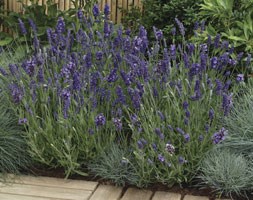
Lavandula angustifolia ‘Ellagance Purple’ (lavender) £4.99
Position: full sun Soil: moderately fertile, well-drained soil Rate of growth: average Flowering period: July to September Other features: grey-green, aromatic leaves Hardiness: fully hardy Appearing in profusion, the deep purple-blue flowers put on a marvelous display and are very attractive to bees and other pollinating insects. An outstanding performer in the border or gravel garden, it will also make a handsome addition to the patio when grown in a pot. Garden care: Cut back the stalks after the flowers have faded. Carefully trim back in April, taking care not to cut into old wood.
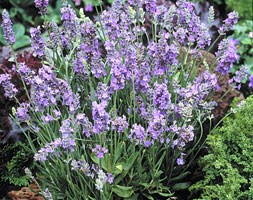
Lavandula angustifolia ‘Ellagance Sky’ (lavender) £4.99
Position: full sun Soil: moderately fertile, well-drained soil Rate of growth: average Flowering period: July to September Other features: grey-green, aromatic leaves Hardiness: fully hardy Dense, rounded mounds of glaucous green foliage are topped with strong stems bearing pale violet-blue flowers. It looks impressive when planted en masse, but to take full advantage of the flowers scent, it is best planted near an entranceway or seating area. Garden care: Cut back the stalks after the flowers have faded. Carefully trim back in April, taking care not to cut into old wood.
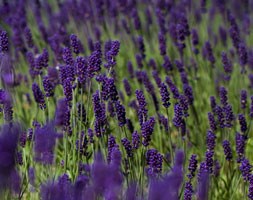
Lavandula angustifolia ‘Hidcote’ (lavender) £4.99
Position: full sun Soil: moderately fertile, well-drained soil Rate of growth: average Flowering period: July to September Hardiness: fully hardy A compact form of the popular English lavender, named after plantsman Laurence Johnston’s famous Arts and Crafts garden in Gloucestershire. It produces dense spikes of fragrant, deep violet summer flowers above slender, aromatic, silvery-grey leaves. It is possibly the best lavender for edging paths and borders and the aromatic foliage perfumes the air if you brush against it. It also works well in a gravel garden, or clipped into a formal sphere for a contemporary look. The flower-spikes are highly attractive to bees and other nectar-loving insects. Garden care: Cut back the stalks after the flowers have faded. Carefully trim back in April, taking care not to cut into old wood.
Lavandula angustifolia ‘Munstead’ (lavender) £4.99
Position: full sun Soil: moderately fertile, well-drained soil Rate of growth: average Flowering period: July to September Hardiness: fully hardy A compact lavender, named after Gertrude Jekyll’s garden at Munstead Wood. It produces dense spikes of fragrant, bluish-purple summer flowers above slender, aromatic, grey-green leaves. This is a lovely lavender for edging paths and borders; the aromatic foliage perfumes the air if you brush against it. It also works well in a gravel garden, or clipped into a formal sphere for a contemporary look. The flower-spikes are highly attractive to bees and other nectar-loving insects. Garden care: Cut back the stalks after the flowers have faded. Carefully trim back in April, taking care not to cut into old wood.
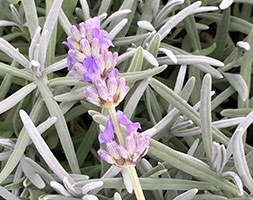
Lavandula angustifolia (lavender) £4.99
Position: full sun Soil: moderately fertile, well-drained soil Rate of growth: average Flowering period: July to September Flower colour: pale to deep purple Other features: the aromatic flowers and leaves can be used for making pot-pourri Hardiness: fully hardy Dense spikes of fragrant, pale to deep purple, summer flowers and steely, grey-green foliage. This compact English lavender makes a fabulous, flowering informal hedge. Perfect for a sunny, well-drained site the fragrant flower-spikes are highly attractive to bees and other beneficial insects. Garden care: Cut back the stalks after the flowers have faded. Carefully trim back in April, taking care not to cut into old wood.
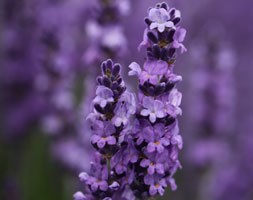
Lavandula angustifolia ‘Elizabeth’ (lavender) £4.99
Position: full sun Soil: moderately fertile, well-drained soil Rate of growth: average Flowering period: July to September Hardiness: fully hardy A new variety, with dense spikes of shocking violet flowers in late summer that shine out among aromatic, silvery-grey leaves. It’s fairly compact, so makes a gorgeous, informal flowering hedge, especially for edging a path and border, and brushing against it releases its heady fragrance. The flower-spikes are highly attractive to bees and other beneficial insects. Garden care: Cut back the stalks after the flowers have faded to retain a compact shape. Carefully trim back in April, taking care not to cut into old wood.
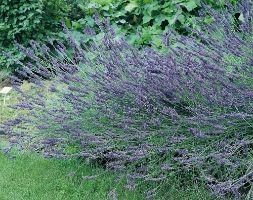
Lavandula x intermedia ‘Grosso’ (lavender) £4.99
Position: full sun Soil: moderately fertile, well-drained soil Rate of growth: vigorous Flowering period: July to August Hardiness: fully hardy This vigorous English lavender produces masses of slender spikes of vivid violet flowers between July and August, above grey-green leaves. It makes a gorgeous, flowering, informal hedge, especially along a path, where its fragrance can be appreciated. It works well in a Mediterranean garden, or clipped into a formal sphere for a contemporary look. The flower-spikes are also a magnet for bees and other nectar-loving insects. Garden care: Cut back the stalks after the flowers have faded to retain a compact shape. Carefully trim back in April, taking care not to cut into old wood.
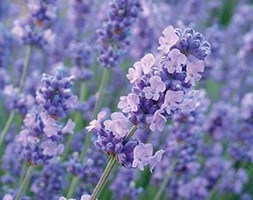
Lavandula angustifolia Melissa Lilac (‘Dow4’) (PBR) (lavender) £4.99
Position: full sun Soil: moderately fertile, well-drained soil Rate of growth: average Flowering period: July to September Hardiness: fully hardy Stunning, large, violet-coloured, fragrant flower spikes appear in summer above slender, aromatic, silvery-grey leaves. This is a lovely lavender for edging paths and borders; the aromatic foliage perfumes the air if you brush against it. It also works well in a gravel garden, or clipped into a formal sphere for a contemporary look. The flower-spikes are highly attractive to bees and other beneficial insects. Garden care: Cut back the stalks after the flowers have faded. Carefully trim back in April, taking care not to cut into old wood.
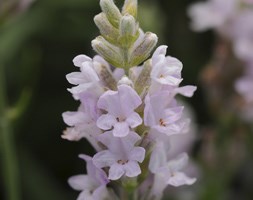
Lavandula angustifolia ‘Ellagance Pink’ (lavender) £2.49
Position: full sun Soil: moderately fertile, well-drained soil Rate of growth: average Flowering period: July to September Other features: grey-green, aromatic leaves Hardiness: fully hardy Useful for a pot or the front of a shrub border, this low-growing, aromatic shrub has a naturally bushy habit, which also makes it suitable for low hedges. The larger than average, blush pink flowers appear in the plants first year. Garden care: Cut back the stalks after the flowers have faded. Carefully trim back in April, taking care not to cut into old wood.
Filed: Crocus
|
|