|
Archive for March, 2014
Monday, March 3rd, 2014
Harrod Horticultural has cut the price of this product
 Showa Grip Master Gloves was £7.95 now £7.45
These Showa Grip Master Gloves Give You Everything Youd Expect From A Pair Of Top Quality Gardening Gloves – And Then A Little Bit More! the Washable, General Purpose Gardening Gloves Feature A Nitrile Coated Palm For Exceptional Grip In All Conditions – No Tools Slipping Out Of Hands With The Showa Grip Master Gloves – And A Breathable Back Making Them Extremely Comfortable To Wear In All Weathers And Conditions. Expect The Grip Master Gardening Gloves To Provide Exceptional Grip, Reliability, Dexterity And Durability – They Really Do Represent The Ultimate In General Purpose Gardening Gloves And Were Forever Re-stocking Them!showa Grip Master Gloves Boast A Seamless Polycotton Liner With Special Hi-grip Latex Palmsuperior Grip For Tool Handlingexcellent Fit Gives Unparalleled Comfort And Feelbreathable Back Avoids Sweating Problemselasticated Wrist Minimises Dirt Ingressexcellent Abrasion And Tear Resistanceanti-bacterial Treatment To Reduce Odoursavailable In Sizes 7 – 10extra Value – Buy 2 Pairs Of The Same Size And Save 1 (discount Deducted At Checkout)!
Filed: Harrod Horticultural, Price Reductions
Monday, March 3rd, 2014
New products at John Lewis
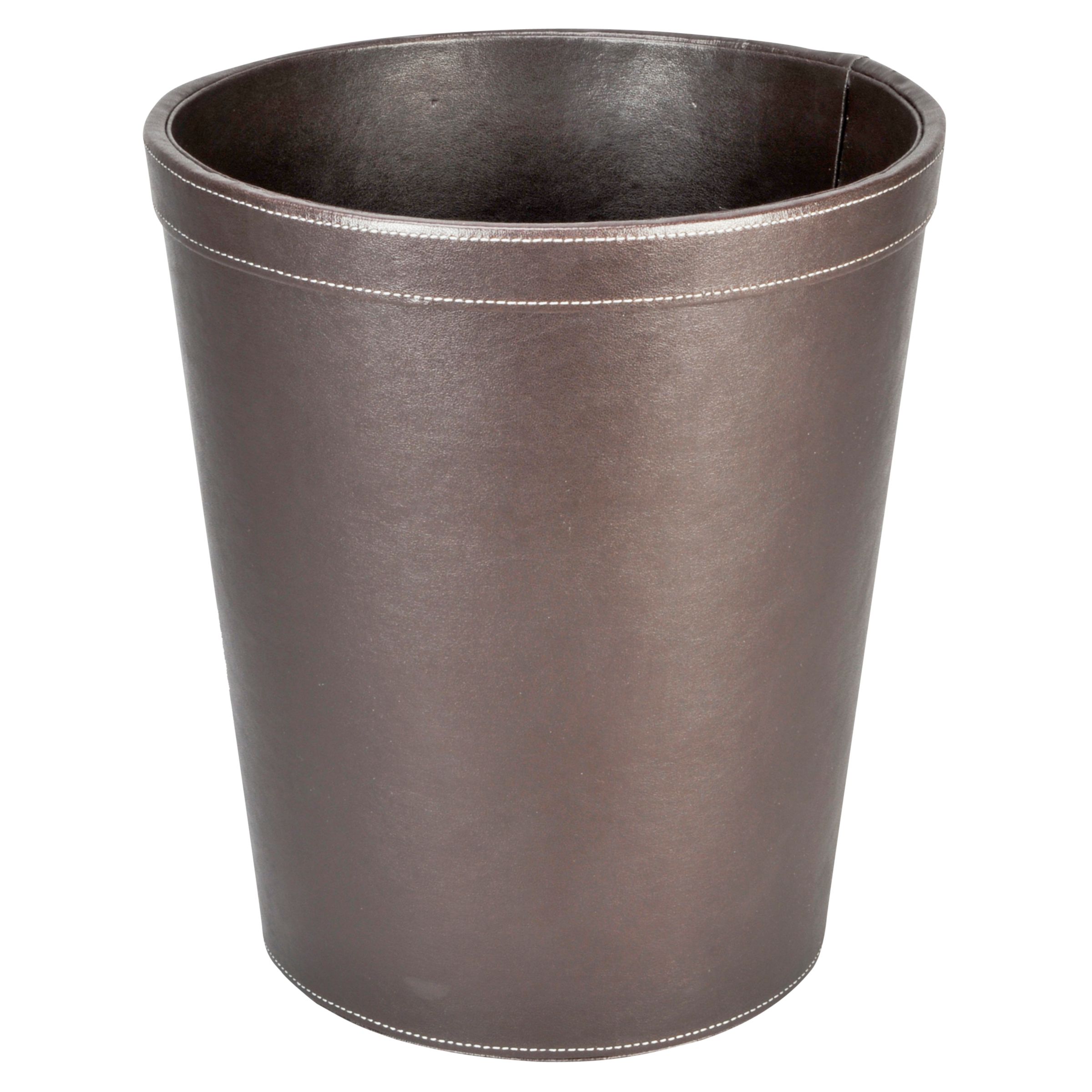
Oscar Faux Leather Wastepaper Bin £15.00
Made from faux leather in an attractive shade of brown, this classy household essential features a non slip base from stability.
Read the rest of this entry »
Filed: John Lewis, New Products
Monday, March 3rd, 2014
Filed: Price Reductions, Tooled Up
Monday, March 3rd, 2014
Just read this elsewhere and it made me smile:
knowledge is flower
Filed: General Gardening
Monday, March 3rd, 2014
A beautifully coloured plant and with a lovely scent. Will attract bees from miles around.
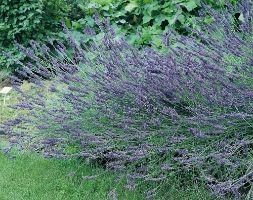
Lavandula x intermedia ‘Grosso’ (lavender) £4.99
Position: full sun Soil: moderately fertile, well-drained soil Rate of growth: vigorous Flowering period: July to August Hardiness: fully hardy This vigorous English lavender produces masses of slender spikes of vivid violet flowers between July and August, above grey-green leaves. It makes a gorgeous, flowering, informal hedge, especially along a path, where its fragrance can be appreciated. It works well in a Mediterranean garden, or clipped into a formal sphere for a contemporary look. The flower-spikes are also a magnet for bees and other nectar-loving insects. Garden care: Cut back the stalks after the flowers have faded to retain a compact shape. Carefully trim back in April, taking care not to cut into old wood.
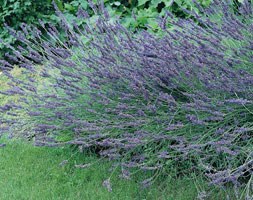
Lavandula x intermedia ‘Grosso’ (lavender) £8.99
Position: full sun Soil: moderately fertile, well-drained soil Rate of growth: vigorous Flowering period: July to August Hardiness: fully hardy This vigorous English lavender produces masses of long, slender stems, that are topped with clusters of vivid violet flowers between July and August, above mounds grey-green leaves. It makes a gorgeous, flowering, informal hedge, especially along a path, where its fabulous fragrance can best be appreciated. It works well in a Mediterranean garden, or clipped into a formal sphere for a contemporary look. The highly scented flower-spikes are also a magnet for bees and other nectar-loving insects. Garden care: Cut back the stalks after the flowers have faded to retain a compact shape. Carefully trim back in April, taking care not to cut into old wood.
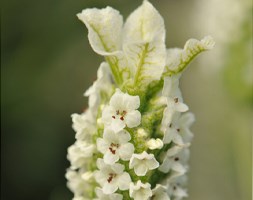
Lavandula stoechas subsp. stoechas f. leucantha ‘Snowman’ (white French lavender) £8.99
Position: full sun Soil: moderately fertile, well-drained soil Rate of growth: average Flowering period: June and July Hardiness: borderline hardy (may need winter protec tion) As the name suggests, this French lavender has spikes of pure white flowers, topped with distinctive white, butterfly-like tufts from late spring to summer and grey-green, aromatic leaves. It makes a striking feature planted en masse as a fragrant edging for a sunny, protected border, along a path or in a container. Like most French lavenders, this is earlier flowering than its English cousins, but associates well with them if you want to prolong the season of lavender in your garden. The flower-spikes are also a magnet for bees and other beneficial insects. In frost-prone areas it is best grown in a large container and over-wintered indoors. As it’s borderline hardy it is best grown in a container in colder areas of the country and should be over-wintered in a cool greenhouse or conservatory. Garden care: Cut back the stalks after the flowers have faded to retain a compact shape. Carefully trim back in April, taking care not to cut into old wood.
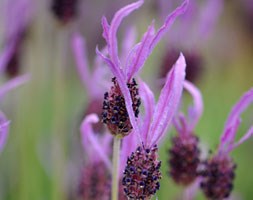
Lavandula pedunculata subsp. pedunculata (butterfly lavender) £4.99
Position: full sun Soil: moderately fertile, well-drained soil Rate of growth: average Flowering period: June and July Hardiness: fully hardy (borderline) From fat round flowerheads, delicate, upright petals emerge like butterfly wings and flutter in the breeze among grey-green, aromatic leaves. This French lavender has pale mauve flowers and looks wonderful planted en masse in a protected, sunny border where its heady fragrance can be enjoyed. Like most French lavenders, it is earlier flowering than its English cousins, but associates well with them if you want to prolong the season of lavender in your garden. The flower-spikes are also a magnet for bees and other nectar-loving insects. As it’s borderline hardy it is best grown in a container in colder areas of the country and should be over-wintered in a cool greenhouse or conservatory. Garden care: Cut back the stalks after the flowers have faded to retain a compact shape. Carefully trim back in April, taking care not to cut into old wood.

Lavandula pedunculata subsp. pedunculata (French lavender (syn. Papillon)) £8.99
Position: full sun Soil: moderately fertile, well-drained soil Rate of growth: average Flowering period: June and July Hardiness: borderline hardy (may need winter protection) From fat round flowerheads, delicate, upright petals emerge like butterfly wings and flutter in the breeze among grey-green, aromatic leaves. This French lavender has pale mauve flowers and looks wonderful planted en masse in a protected, sunny border where its heady fragrance can be enjoyed. Like most French lavenders, it is earlier flowering than its English cousins, but associates well with them if you want to prolong the season of lavender in your garden. The flower-spikes are also a magnet for bees and other nectar-loving insects. As it’s borderline hardy it is best grown in a container in colder areas of the country and should be over-wintered in a cool greenhouse or conservatory. Garden care: Cut back the stalks after the flowers have faded to retain a compact shape. Carefully trim back in April, taking care not to cut into old wood.
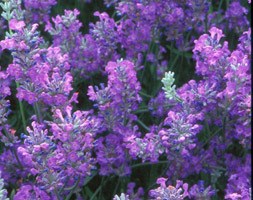
Lavandula angustifolia Little Lady (‘Batlad’) (lavender) £4.99
Position: full sun Soil: moderately fertile, well-drained soil Rate of growth: average Flowering period: July to September Hardiness: fully hardy A very free flowering english lavender which produces its light blue flowers on upright stems above the sage green foliage. The flowers appear in mid to late summer, have a strong fragrance and are excellent for drying. The compact habit of this plant makes it an ideal choice for low hedging. Garden care: Cut back the stalks after the flowers have faded. Carefully trim back in April, taking care not to cut into old wood.
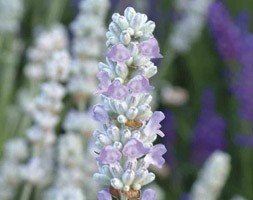
Lavandula angustifolia Blue Ice (‘Dow3’) (PBR) (lavender) £4.99
Position: full sun Soil: moderately fertile, well-drained soil Rate of growth: average Flowering period: July to September Hardiness: fully hardy Dense spikes of blue-flushed white, fragrant flowers appear in summer and shine out among aromatic, bright green leaves. This is a compact variety of English lavender that makes a gorgeous, informal flowering hedge, especially for edging a path and border, and brushing against it releases its heady fragrance. The flower-spikes are highly attractive to bees and other beneficial insects. Garden care: Cut back the stalks after the flowers have faded to retain a compact shape. Carefully trim back in April, taking care not to cut into old wood.
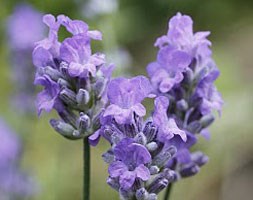
Lavandula angustifolia Blue Cushion (‘Schola’) (PBR) (Lavender) £4.99
Position: full sun Soil: moderately fertile, well-drained soil Rate of growth: average Flowering period: July to September Hardiness: fully hardy Blue-green foliage forms compact, cushion-like mounds that are topped with a profusion of upright flowerspikes for several months from midsummer. The rich blue flowers are extremely attractive to bees and butterflies, make pretty additions to posies and can be dried for pot pourri. Useful for creating a low hedge, providing year-round interest in a mixed border or potting up on a sunny patio. Similar to ‘Munstead’, but with a much more compact habit. Garden care: Cut back the stalks after the flowers have faded. Carefully trim back again in April, taking care not to cut into old wood.
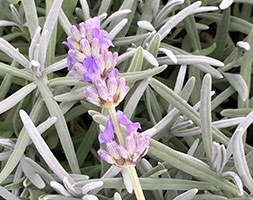
Lavandula angustifolia (lavender) £4.99
Position: full sun Soil: moderately fertile, well-drained soil Rate of growth: average Flowering period: July to September Flower colour: pale to deep purple Other features: the aromatic flowers and leaves can be used for making pot-pourri Hardiness: fully hardy Dense spikes of fragrant, pale to deep purple, summer flowers and steely, grey-green foliage. This compact English lavender makes a fabulous, flowering informal hedge. Perfect for a sunny, well-drained site the fragrant flower-spikes are highly attractive to bees and other beneficial insects. Garden care: Cut back the stalks after the flowers have faded. Carefully trim back in April, taking care not to cut into old wood.
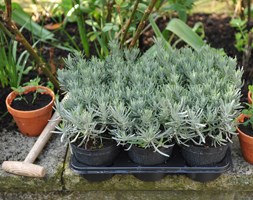
Lavandula angustifolia (lavender promotion – 6 pack) £14.99
Position: full sun Soil: moderately fertile, well-drained soil Rate of growth: average Flowering period: July to September Flower colour: pale to deep purple Other features: the aromatic flowers and leaves can be used for making pot-pourri Hardiness: fully hardy Dense spikes of fragrant, pale to deep purple flowers appear in summer above the mounds of steely, grey-green foliage. This English lavender makes a fabulous informal hedge and is perfect for a sunny, well-drained site. The fragrant flower-spikes are highly attractive to bees and other beneficial insects. Garden care: Cut back the stalks after the flowers have faded. Carefully trim back in April, taking care not to cut into old wood.
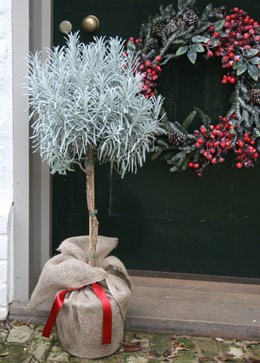
Lavandula angustifolia ‘mini stem standard’ (lavender mini-standard) £19.99
Shown with gift wrap suggestion. The ceramic pot is not included with the plant. see goes well with below for a link to the pot used. Gift wrap is available during the checkout as a option Position: full sun Soil: moderately fertile, well-drained soil Rate of growth: average Flowering period: July to September Hardiness: fully hardy Lavenders are universally loved. They have aromatic foliage, that will release its delicious scent each time it is brushed against and rich purple, summer flowerspikes that attract bees, look good in both fresh and dried arrangements and make excellent additions to pot pourri. It is growing in a 3 litre pot and trained as mini-standard. They will look great when potted up and placed on a sunny patio. Garden care: Cut back the stalks after the flowers have faded. Carefully trim back in April, taking care not to cut into old wood.

Lavandula angustifolia ‘Rosea’ (lavender) £8.99
Position: full sun Soil: moderately fertile, well-drained soil Rate of growth: average Flowering period: July to September Hardiness: fully hardy Dense spikes of fragrant, rose-pink flowers appear in summer above slender, steely, grey-green foliage. It makes a gorgeous, flowering, informal hedge, especially along a path, where its fragrance can be appreciated. It also works well in a gravel garden, or clipped into a formal sphere for a contemporary look. The cloud-like effect of its soft pink flowers means it looks particularly good with roses, or as part of a cottage garden scheme. The flower-spikes are highly attractive to bees and other beneficial insects. Garden care: Cut back the stalks after the flowers have faded. Carefully trim back in April, taking care not to cut into old wood.
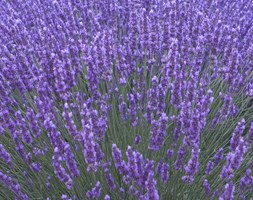
Lavandula angustifolia ‘Munstead’ (lavender) £4.99
Position: full sun Soil: moderately fertile, well-drained soil Rate of growth: average Flowering period: July to September Hardiness: fully hardy A compact lavender, named after Gertrude Jekyll’s garden at Munstead Wood. It produces dense spikes of fragrant, bluish-purple summer flowers above slender, aromatic, grey-green leaves. This is a lovely lavender for edging paths and borders; the aromatic foliage perfumes the air if you brush against it. It also works well in a gravel garden, or clipped into a formal sphere for a contemporary look. The flower-spikes are highly attractive to bees and other nectar-loving insects. Garden care: Cut back the stalks after the flowers have faded. Carefully trim back in April, taking care not to cut into old wood.
Lavandula angustifolia ‘Munstead’ (lavender) £7.99
Position: full sun Soil: moderately fertile, well-drained soil Rate of growth: average Flowering period: July to September Hardiness: fully hardy A compact lavender, named after Gertrude Jekyll’s garden at Munstead Wood. It produces dense spikes of fragrant, bluish-purple summer flowers above slender, aromatic, grey-green leaves. This is a lovely lavender for edging paths and borders; the aromatic foliage perfumes the air if you brush against it. It also works well in a gravel garden, or clipped into a formal sphere for a contemporary look. The flower-spikes are highly attractive to bees and other nectar-loving insects. Garden care: Cut back the stalks after the flowers have faded. Carefully trim back in April, taking care not to cut into old wood.
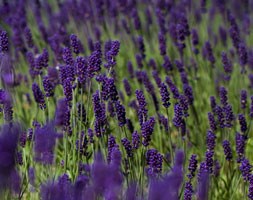
Lavandula angustifolia ‘Hidcote’ (lavender) £4.99
Position: full sun Soil: moderately fertile, well-drained soil Rate of growth: average Flowering period: July to September Hardiness: fully hardy A compact form of the popular English lavender, named after plantsman Laurence Johnston’s famous Arts and Crafts garden in Gloucestershire. It produces dense spikes of fragrant, deep violet summer flowers above slender, aromatic, silvery-grey leaves. It is possibly the best lavender for edging paths and borders and the aromatic foliage perfumes the air if you brush against it. It also works well in a gravel garden, or clipped into a formal sphere for a contemporary look. The flower-spikes are highly attractive to bees and other nectar-loving insects. Garden care: Cut back the stalks after the flowers have faded. Carefully trim back in April, taking care not to cut into old wood.
Lavandula angustifolia ‘Hidcote’ (lavender) £5.99
Position: full sun Soil: moderately fertile, well-drained soil Rate of growth: average Flowering period: July to September Hardiness: fully hardy A compact form of the popular English lavender, named after plantsman Laurence Johnston’s famous Arts and Crafts garden in Gloucestershire. It produces dense spikes of fragrant, deep violet summer flowers above slender, aromatic, silvery-grey leaves. It is possibly the best lavender for edging paths and borders and the aromatic foliage perfumes the air if you brush against it. It also works well in a gravel garden, or clipped into a formal sphere for a contemporary look. The flower-spikes are highly attractive to bees and other nectar-loving insects. Garden care: Cut back the stalks after the flowers have faded. Carefully trim back in April, taking care not to cut into old wood.
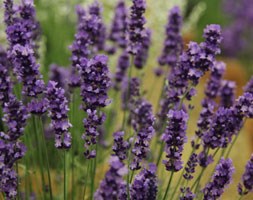
Lavandula angustifolia ‘Hidcote’ (lavender Hidcote promotion – 6 pack) £14.97
Position: full sun Soil: moderately fertile, well-drained soil Rate of growth: average Flowering period: July to September Hardiness: fully hardy A compact form of the popular English lavender, named after plantsman Laurence Johnston’s famous Arts and Crafts garden in Gloucestershire. It produces dense spikes of fragrant, deep violet summer flowers above slender, aromatic, silvery-grey leaves. It is possibly the best lavender for edging paths and borders and the aromatic foliage perfumes the air if you brush against it. It also works well in a gravel garden, or clipped into a formal sphere for a contemporary look. The flower-spikes are highly attractive to bees and other nectar-loving insects. Garden care: Cut back the stalks after the flowers have faded. Carefully trim back in April, taking care not to cut into old wood.
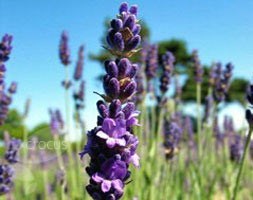
Lavandula angustifolia ‘Elizabeth’ (lavender) £8.99
Position: full sun Soil: moderately fertile, well-drained soil Rate of growth: average Flowering period: July to September Hardiness: fully hardy A new variety, with dense spikes of shocking violet flowers in late summer that shine out among aromatic, silvery-grey leaves. It’s fairly compact, so makes a gorgeous, informal flowering hedge, especially for edging a path and border, and brushing against it releases its heady fragrance. The flower-spikes are highly attractive to bees and other beneficial insects. Garden care: Cut back the stalks after the flowers have faded to retain a compact shape. Carefully trim back in April, taking care not to cut into old wood.
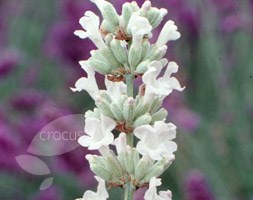
Lavandula angustifolia ‘Arctic Snow’ (lavender) £11.99
Position: full sun Soil: moderately fertile, well-drained soil Rate of growth: average Flowering period: July to September Hardiness: fully hardy Dense spikes of pure white, fragrant flowers appear in late summer which shine out among aromatic, grey-green leaves. This is a compact variety of English lavender that makes a gorgeous, informal flowering hedge, especially for edging a path and border, and brushing against it releases its heady fragrance. The flower-spikes are highly attractive to bees and other beneficial insects. Garden care: Cut back the stalks after the flowers have faded to retain a compact shape. Carefully trim back in April, taking care not to cut into old wood.
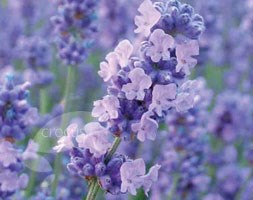
Lavandula angustifolia Melissa Lilac (‘Dow4’) (PBR) (lavender) £8.99
Position: full sun Soil: moderately fertile, well-drained soil Rate of growth: average Flowering period: July to September Hardiness: fully hardy Stunning, large, lilac-coloured, fragrant flower spikes appear in summer above slender, aromatic, silvery-grey leaves. This is a lovely lavender for edging paths and borders; the aromatic foliage perfumes the air if you brush against it. It also works well in a gravel garden, or clipped into a formal sphere for a contemporary look. The flower-spikes are highly attractive to bees and other beneficial insects. Garden care: Cut back the stalks after the flowers have faded. Carefully trim back in April, taking care not to cut into old wood.
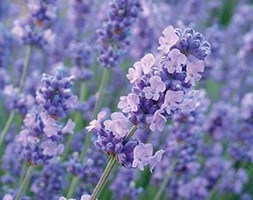
Lavandula angustifolia Melissa Lilac (‘Dow4’) (PBR) (lavender) £4.99
Position: full sun Soil: moderately fertile, well-drained soil Rate of growth: average Flowering period: July to September Hardiness: fully hardy Stunning, large, violet-coloured, fragrant flower spikes appear in summer above slender, aromatic, silvery-grey leaves. This is a lovely lavender for edging paths and borders; the aromatic foliage perfumes the air if you brush against it. It also works well in a gravel garden, or clipped into a formal sphere for a contemporary look. The flower-spikes are highly attractive to bees and other beneficial insects. Garden care: Cut back the stalks after the flowers have faded. Carefully trim back in April, taking care not to cut into old wood.
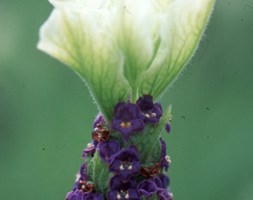
Lavandula Tiara (‘Fair10’) (PBR) (French lavender) £5.99
Position: full sun Soil: moderately fertile, well-drained soil Rate of growth: average Flowering period: May to July Flower colour: blue with creamy-white flags Other features: highly aromatic flowers and leaves which can be used for making pot-pourri Hardiness: borderline hardy (may need protection in colder areas) Unusual spikes of large blue flowerheads topped with creamy-white flags throughout spring and summer, and aromatic silvery-grey leaves. An exciting new introduction to the French lavender range which has a compact yet upright habit, making it perfect for all gardens and in particular patio pots. As it’s borderline hardy it is best grown in a container in colder areas of the country and should be over-wintered in a cool greenhouse or conservatory. Garden care: Cut back the stalks after the flowers have faded. Avoid early spring pruning as flowers will be delayed. Keep dry during the winter
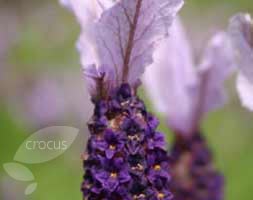
Lavandula Rocky Road (‘Fair 09’) (PBR) (French lavender) £8.99
Position: full sun Soil: moderately fertile, well-drained soil Rate of growth: average Flowering period: June to July Hardiness: borderline hardy (may need winter protection) A stunning new French lavender, with grey-green, aromatic leaves and fat flowerheads studded with tiny purple flowers, from which delicate, pink, upright flags emerge like butterfly wings and flutter in the breeze. It has a compact, upright habit, which makes it particularly good for small gardens. It looks wonderful planted en masse in a protected, sunny border where its heady fragrance can be enjoyed, or in a container. Like most French lavenders, it is earlier flowering than its English cousins, but associates well with them if you want to prolong the season of lavender in your garden. The flower-spikes are also a magnet for bees and other nectar-loving insects. In frost-prone areas it is best grown in a large container and over-wintered indoors. Garden care: Cut back the stalks after the flowers have faded to retain a compact shape. Carefully trim back in April, taking care not to cut into old wood.

Lavandula ‘Willow Vale’ (lavender) £9.99
Position: full sun Soil: moderately fertile, well-drained soil Rate of growth: average Flowering period: June and July Flower colour: purple Other features: the aromatic flowers and leaves can be used for making pot-pourri Hardiness: borderline hardy (may need winter protection) This French lavender makes a stunning, informal flowering hedge for a sunny, protected site. In frost-prone areas it is best grown as a pot-plant and over-wintered indoors. It has crinkly edged foliage and lovely, long, pale lavender flags. Garden care: Cut back the stalks after the flowers have faded. Carefully trim back in April, taking care not to cut into old wood.
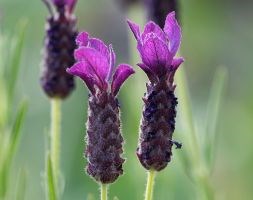
Lavandula ‘Regal Splendour’ (PBR) (French lavender) £9.99
Position: full sun Soil: moderately fertile, well-drained soil Rate of growth: average Flowering period: April to May Hardiness: borderline hardy (may need winter protection) From fat round flowerheads, delicate, upright flags emerge like butterfly wings and flutter in the breeze among grey-green aromatic leaves. This French lavender has dark purple flowers and looks wonderful planted en masse in a protected, sunny border where its heady fragrance can be enjoyed. Like most French lavenders, it is earlier flowering than its English cousins, but associates well with them if you want to prolong the season of lavender in your garden. The flower-spikes are also a magnet for bees and other nectar-loving insects. As it’s borderline hardy it is best grown in a container in colder areas of the country and should be over-wintered in a cool greenhouse or conservatory. Garden care: Cut back the stalks after the flowers have faded to retain a compact shape. Carefully trim back in April, taking care not to cut into old wood.

Lavandula ‘Helmsdale’ (PBR) (French lavender) £8.99
Position: full sun Soil: moderately fertile, well-drained soil Rate of growth: average Flowering period: May to July Flower colour: burgundy purple Other features: the aromatic flowers and leaves can be used for making pot-pourri Hardiness: borderline hardy (may need winter protection) Compact bushy shrub with aromatic grey-green leaves and broad spikes of fragrant burgundy purple flowers topped by purple bracts. This gorgeous French lavender makes a neat, compact edging for a sunny path or border. In frost-prone areas, grow in a container and over-winter in a cool greenhouse or conservatory. Garden care: Cut back the stalks after the flowers have faded. Carefully trim back in April, taking care not to cut into old wood.
Filed: Crocus
Monday, March 3rd, 2014
Add plants that insects will love to your garden.
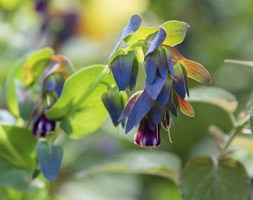
Cerinthe major ‘Purpurascens’ (honeywort) £4.99
Position: full sun or partial shade Soil: fertile, well-drained soil Rate of growth: average Flowering period: May to August Flower colour: purple-blue Other features: the flowers are highly attractive to bees and other beneficial insects; self-seeds freely Hardiness: fully hardy annual Nodding, purple-blue flowers appear throughout the summer above the whorls of fleshy, blue-green leaves. A hardy annual, which will self-seed freely, it looks great in both pots or mixed borders. Garden care: In autumn group container-grown plants close to a warm house wall, ensuring that containers are raised off the ground using pot feet.
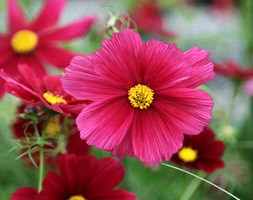
Cosmos bipinnatus ‘Rubenza’ (40 plus 20 FREE large plug plants) £15.99
Position: full sun Soil: moderately fertile, moist, well-drained soil Rate of growth: average Flowering period: June to October Hardiness: half hardy annual Each flower emerges from bud a deep, velvety red, but as they age, the colour lightens gradually to a rich rose. Therefore when in full bloom the overall effect is very pretty, displaying all the tonal variations of the flowers. Easy and undemanding annuals that will flower right up until the first frosts if they are dead-headed regularly, their flowers can be added to the posies too. Grown in individual plug cells, each plant measures about 5 – 7cm tall (from the base of the root to the top of the plant). They are ideal for keen gardeners who have a greenhouse where the plants can be plants can be grown on until they are ready for planting out in the garden once all chance of frost has passed. Please note that as we grow these for especially for you, we need to take full payment when you place your order so as to reserve stock for you. See above for despatch dates for this particular plant. To ensure that your plants arrive in the best possible condition each pack will be despatched individually. Our Plug Plants – Four sizes are available – Click for information about sizes
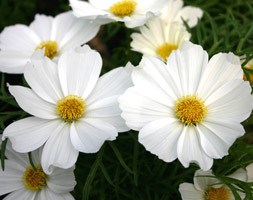
Cosmos bipinnatus ‘Purity’ (40 plus 20 FREE large plug plants) £15.99
Position: full sun Soil: moderately fertile, moist, well-drained soil Rate of growth: average Flowering period: June to October Hardiness: half hardy annual This popular, pure white annual cosmos makes a great filler plant for a sunny, moist but well-drained border. As long as it’s dead-headed regularly it will produce a succession of graceful, pure white, saucer-shaped flowers up to 10cm (4in) in diameter from June to October and masses of feathery, mid-green leaves. Grown in individual plug cells, each plant measures about 5-7cm cm tall (from the base of the root to the top of the plant). They can be grown on or planted straight out into the garden. Please note that as we grow these for especially for you, we need to take full payment when you place your order so as to reserve stock for you. See above for despatch dates for this particular plant. To ensure that your plants arrive in the best possible condition each pack will be despatched individually. Our Plug Plants – Three sizes are available – Click for information about sizes
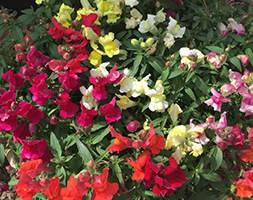
Antirrhinum ‘Appeal Select Mixed’ (40 plus 20 FREE large plug plants) £14.99
Position: full sun or partial shade Soil: moderately fertile, humus-rich, well-drained soil Rate of growth: average to fast-growing Flowering period: May to the first frosts Flowering colour: white, cherry, orange, coral, pink, fire and apricot Hardiness: tender (needs frost protection) Available in a beautiful mix of colours, the densely packed, upright flower spikes of these beautiful bedding plants will provide long-lasting colour throughout summer and autumn. Their compact habit makes them great for the front of the border or for pots. Grown in individual plug cells, each plant measures about 5 – 7cm tall (from the base of the root to the top of the plant). They are ideal for keen gardeners who have a greenhouse where the plants can be grown on until they are ready for planting out in the garden once all chance of frost has passed. Please note that as we grow these for especially for you, we need to take full payment when you place your order so as to reserve stock for you. See above for despatch dates for this particular plant. To ensure that your plants arrive in the best possible condition each pack will be despatched individually. Our Plug Plants – Four sizes are available – Click for information about sizes
Filed: Crocus
Monday, March 3rd, 2014
Euonymus alatus (winged spindle / fire bush) at Crocus.
A good colour bush that is slow growing so won’t overtake your garden.
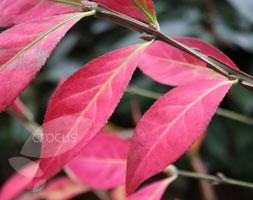
Euonymus alatus (winged spindle / fire bush) £17.99
Position: full sun or partial shade
Soil: any well-drained soil
Rate of growth: slow-growing
Flowering period: May and June
Flower colour: green
Other features: the flowers are followed by spherical, reddish-purple fruit, which split to reveal bright orange seeds; all parts of the plant may cause a mild stomach upset if ingested
Hardiness: fully hardy
A dense, bushy, deciduous shrub with dark green leaves turning brilliant shades of strawberry-red in autumn. This winged spindle is named after the large, corky wings that are revealed after it has shed its leaves. Best planted in an area where the sun catches the spectacular autumn foliage, it makes an excellent specimen plant for a well-drained shrub border or woodland edge.
Garden care: While the plant is dormant in late- winter or early-spring remove any misplaced or crossing branches and older stems to achieve an open, permanent framework. Apply a generous 5-7cm (2-3in) mulch of well-rotted garden compost or manure around the base of the plant.
Filed: Crocus
Monday, March 3rd, 2014
Filed: Crocus
Monday, March 3rd, 2014
This is in flower right now!
A neighbour has one and it’s full of yellow flowers. Mine isn’t very big yet though so hasn’t flowered.
The local council have planted loads of these along roads at outside the main library in Oldham. They’re a lovely bright yellow flower that provide pollen for the bees in winter on those sunny days they can get out to fly!
If you have room for one of these then do buy one for your garden. They’re a real treat of colour!
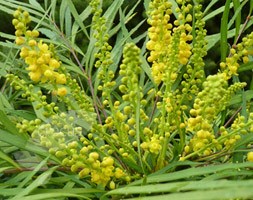
Mahonia eurybracteata subsp.ganpinensis ‘Soft Caress’ (mahonia Soft Caress) £24.99
Position: full sun to full shade Soil: moderately fertile, humus-rich, moist, well-drained soil Rate of growth: average Flowering period: August to October Flower colour: bright yellow Other features: the flowers are followed by spherical, blue berries Hardiness: fully hardy Recently released onto the market, and winner of “Plant of the Year” at RHS Chelsea Flower Show 2013, this is the first Mahonia of its kind to have spine-free leaves, which means that they can be planted near to paths or doorways where you may brush past them. ‘Soft Caress’ is a compact, evergreen shrub, so it is ideal for larger pots, where it will provide year-round interest. Alternatively, it will make a fine addition to either a sunny or partially shaded border. Garden care: Every second year after flowering prune specimens grown as groundcover to just above ground level to encourage bushy growth and apply a generous 5-7cm (2-3in) mulch of well-rotted garden compost or manure around the base of the plant.
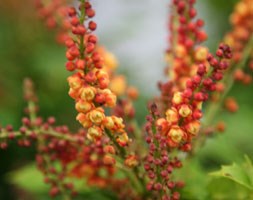
Mahonia nitens ‘Cabaret’ (PBR) (mahonia) £19.99
Position: full sun to partial shade Soil: moderately fertile, humus-rich, moist or well-drained soil Rate of growth: average Flowering period: August to November Hardiness: fully hardy This delightful new introduction has only recently become available, so we are one of the first to offer it for sale in the UK. It has the same glossy, holly-like, evergreen foliage, that you would expect to see on a Mahonia, but this compact variety produces its flowers from the end of summer and all the way through autumn. These appear initially as elegant racemes smothered with bright orange-red buds, that open from the base of the spike to reveal cheerful yellow flowers. Once the flowers have faded, bluish-grey berries form, which contrast beautifully with the winter foliage. Garden care: Apply a generous 5-7cm (2-3in) mulch of well-rotted garden compost or manure around the base of the plant in spring.
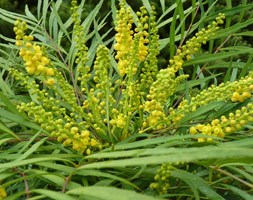
Mahonia eurybracteata subsp.ganpinensis ‘Soft Caress’ (mahonia Soft Caress) £14.99
Position: full sun to full shade Soil: moderately fertile, humus-rich, moist, well-drained soil Rate of growth: average Flowering period: August to October Flower colour: bright yellow Other features: the flowers are followed by spherical, blue berries Hardiness: fully hardy Recently released onto the market, and winner of “Plant of the Year” at RHS Chelsea Flower Show 2013, this is the first Mahonia to have spine-free leaves, which means that they can be planted near to paths or doorways where you may brush past them. ‘Soft Caress’ is a compact, evergreen shrub, so it is ideal for larger pots, where it will provide year-round interest. Alternatively, it will make a fine addition to either a sunny or partially shaded border. Garden care: Every second year after flowering prune specimens grown as groundcover to just above ground level to encourage bushy growth and apply a generous 5-7cm (2-3in) mulch of well-rotted garden compost or manure around the base of the plant.
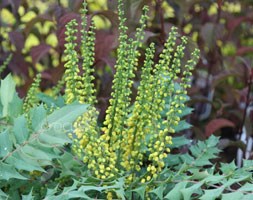
Mahonia x media ‘Winter Sun’ (mahonia) £12.99
Position: full or partial shade Soil: moderately fertile, humus-rich, moist or well-drained soil Rate of growth: fast-growing Flowering period: November to March Hardiness: fully hardy Slender spikes of bright yellow flowers appear from November to March, above rosettes of large, handsome, dark green, holly-like leaves. The flowers of thi s lovely, upright, evergreen shrub have a fragrance reminiscent of lily-of-the-v alley, and seem to glow in the wintry sunlight. They are followed by bunches of highly ornamental, round, deep purple berries. This mahonia makes a lovely focal point for a shady spot in the garden, where its glossy, architectural lea ves can be appreciated all year round. Give it space, as its leaves will spread, and conceal its long ‘legs’ with spring-flowering bulbs and small, shade-loving perennials. Although it prefers shade, it will tolerate sun as long as the soil remains moist. Garden care: Prune in spring after flowering, reducing overlong, leggy stems to a sideshoot or a whorl of foliage and apply a generous 5-7cm (2-3in) mulch of well-rotted garden compost or manure around the base of the plant.
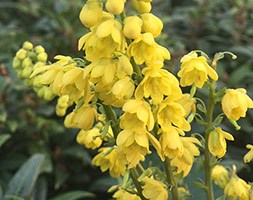
Mahonia x media ‘Charity’ (mahonia) £12.99
Position: full or partial shade Soil: moderately fertile, humus-rich, moist or well-drained soil Rate of growth: average Flowering period: November to March Hardiness: fully hardy Slender spikes of pale yellow flowers appear from November to March, above rosettes of large, handsome, dark green, holly-like leaves. The flowers of this lovely, upright, evergreen shrub have a sweet scent (a little like lily of the valley) and seem to glow in the wintry sunlight. They provide a valuable source of nectar to pollinating insects in winter, while the bunches of highly ornamental, round, deep purple berries that follow on will help attract birds. This mahonia makes a lovely focal point for a shady spot in the garden, where its glossy, architectural leaves can be appreciated all year round. Give it space, as its leaves will spread, and conceal its long ‘legs’ with spring- flowering bulbs and small, shade-loving perennials. Although it prefers shade, it will tolerate sun as long as the soil remains moist. Garden care: Apply a generous 5-7cm (2-3in) mulch of well-rotted garden compost or manure around the base of the plant in spring while it is getting established. No pruning required.
Filed: Crocus
Sunday, March 2nd, 2014
Plant Me Now just added these new lines
 Dahlia Mister Optimist (2 tubers) £3.95
Elegant uniformed pink flowers with cream tips, dahlia Mister Optimist grow to around 120cm in height and flower all summer long. These dahlia tubers form part of our select range for unusual varieties. Dahlias like any well cultivated, garden soil with a good supply of organic material. Sunny sites away from strong winds. Use as a border or bedding plant dahlias make good cut flowers. Short varieties can also be grown in containers on the patio or balcony. Dahlias vary in height, so plant at the front or back of borders or in pots, according to height. Keep the plants well watered during growth. Either lift tubers after flowering and store frost free in dry compost or particularly in warmer areas, cover with a mulch over winter. For early flowering, tubers may be started off in boxes in April; use a light soil mixed with compost. Keep slightly moist, cool and free from frost. When he danger of frosts has passed, plant out the sprouted tubers. If used as a cut flower, cut the stems on when the flower has fully developed.
Read the rest of this entry »
Filed: New Products, Plant Me Now
|
|