


March Planting Guide for Two Small Vegetable Beds
by Diane - February 17th, 2026.Filed under: allotment.
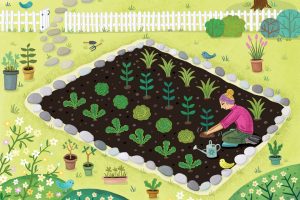 March Planting Guide for Two Small Vegetable Beds
This sheet provides a clear, practical plan for planting two vegetable beds, each measuring 3 ft by 2 ft. It includes what to plant in March, how to prepare the soil, and simple layout suggestions.
1. Preparing the Soil
Steps for Both Beds
- Clear the surface: Remove weeds, old roots, stones, and debris.
- Loosen the soil: Use a hand fork or trowel to gently break up the top 6–8 inches.
- Add organic matter: Mix in 1–2 inches of compost or well-rotted manure to improve structure and fertility.
- Level and firm: Lightly pat the soil so it’s even but not compacted.
- Water lightly: Moisten the soil a day before planting so it’s damp but not soggy.
2. What to Plant in March
March is ideal for hardy, cool-season vegetables. These crops tolerate chilly nights and short days.
Suitable Vegetables
- Leafy greens: Lettuce, spinach, rocket
- Roots: Carrots, beetroot, radishes
- Alliums: Spring onions
- Herbs: Parsley, coriander
- Others: Peas, broad beans (if not already started)
3. Bed Layout Plans
Each bed is 3 ft × 2 ft. The layouts below maximise variety and productivity.
Bed 1: Quick Growers & Cut-and-Come-Again Greens
- Front row (1 ft): Radishes (quick harvest) + Spring onions
- Middle row (1 ft): Mixed lettuces (cut-and-come-again)
- Back row (1 ft): Spinach or rocket
Notes:
- Sow radishes every 2–3 weeks for continuous harvest.
- Lettuce and rocket can be harvested leaf-by-leaf.
Bed 2: Roots & Longer Growers
- Front row (1 ft): Beetroot (spaced 4–6 inches apart)
- Middle row (1 ft): Carrots (thin seedlings as they grow)
- Back row (1 ft): Peas (dwarf variety) with a small support frame
Notes:
- Peas benefit from a simple twiggy support.
- Carrots prefer fine, stone-free soil.
4. Planting Tips
- Spacing: Follow seed packet guidance; overcrowding reduces yield.
- Watering: Keep soil consistently moist, especially for germinating seeds.
- Protection: Use fleece on cold nights to protect young seedlings.
- Succession sowing: Re-sow fast crops like radishes and lettuce for steady harvests.
5. At-a-Glance Planting Chart
| Crop | Sow in March | Spacing | Notes |
|---|---|---|---|
| Lettuce | Yes | 6–8 in | Harvest outer leaves regularly |
| Spinach | Yes | 6 in | Prefers cool weather |
| Rocket | Yes | 4–6 in | Fast-growing |
| Radish | Yes | 2–3 in | Ready in 4–6 weeks |
| Spring onions | Yes | 1 in | Slow but reliable |
| Carrots | Yes | Thin to 2–3 in | Needs fine soil |
| Beetroot | Yes | 4–6 in | Harvest young or mature |
| Peas | Yes | 2 in | Provide support |
6. Summary
These two compact beds will give you a steady supply of greens, roots, and peas from spring into early summer. With simple soil preparation and regular sowing, you can keep both beds productive and tidy throughout the season.