Garden And Gardener

Everything for the Gardener and their Garden

Archive for the 'allotment' Category

Comfrey propogation

Monday, April 16th, 2012

Digging up and dividing a comfrey plant – yield – 90 new comfrey plants!

Lots of photos and info!

I want some comfrey for my allotment so have ordered some seeds and some bocking 14 plants. The bocking 14 plants won’t self-seed but the seeds when they grow will. That’s if they’re allowed to flower of course. Regular cropping should mean they don’t seed.

Even if they did, is it a hugely bad problem? You’d just throw it in your compost heap or in a bucket of water for making comfrey tea?

Allotment rotation

Monday, April 16th, 2012

Think of your plot as four sections.

The greenhouse area is not in this rotation.

Group A is beans, peas and things that grow above ground.

Group B is roots including beetroots, parnsips, carrots.

Group C is Brassicas.

Group D is permenant planting such as fruit bushes, rhubarb, herbs.

  Bed 1 Bed 2 Bed 3 Bed 4
Year 1 Group A Group B Group C Group D
Year 2 Group C Group A Group B Group D
Year 3 Group B Group C Group A Group D
  Fertilise the land with well rotted manure
  Fertilise the land (Chicken manure pellets or growmore)
  Lime the soil. Fertilise too but not manure.
  Fertilise and mulch

So you can see that each year when you plant Group A vegetables you should
manure the land before hand.
Where you plant group B plants you just use low density fertilisers.
Where you plant group C you lime as brassicas need lime. You should check the
pH too.

You rotate round the crops to ensure that over 3 years the soil grows different
things each year and that it has a different treatment each year.

If you never rotated the crops around your plot then you would only be manuring
one section, and keep adding lime to another section. This would over time make
the soils very different and it also allows diseases to build up in the soil.
Whilst there’s not much area difference on an allotment you will find that it
is beneficial to treat the soil differently each year.

Your greenhouse is treated outside this rule. Greenhouse plants will do best
in enriched soil which is why growbags are grown and regular liquid feeding
of tomatoes is recommended.
If your greenhouse has soil in then you might consider doing a complete soil
swap or looking at sterilsing the soil to prevent soil problems. Greenhouse
soil (or old compost) can be used on other parts of the garden – perhaps even
the compost heap or under a fruit tree.



Freecycled Rain barrel

Friday, April 13th, 2012

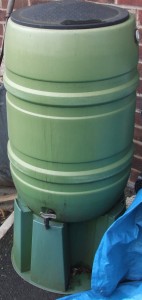
Water barrelThis is the rain barrel I got off freecycle this week! I put on a wanted ad and a lovely lady a few miles ago offered us this!
It needs some attention as it’s got a leaky tap but we can fix that! OK Nic can fix that!

Growing on the edge of the allotment

Friday, April 13th, 2012

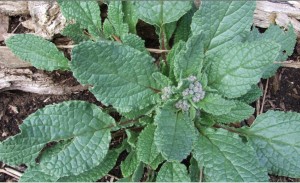
Looks like some sort of giant primrose type plant

Will take another photo when the flowers open!

unknown plant

This is in the bottom of the hedge by Sue’s plot. There are also bluebells and raspberries creeping through. Ok, the raspberries are marching through the hedge like they’re invading!

Teesside Hospice allotment

Friday, April 13th, 2012

Teesside Hospice allotment sounds like a brilliant idea!

Find out more about it here

Howard 350 – beast of a machine!

Friday, April 13th, 2012

Watch this Howard 350 make easy work of digging!

And here’s a little machine!


I’m really envious of the good soil these plots have!

Free mulch

Friday, April 13th, 2012

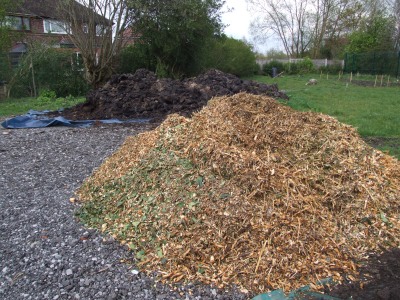
Mulch pileWhen you see people cutting hedges and shredding the branches then it’s time to be cheeky and ask if they could drop you off a load at your garden or allotment!

I’ve just asked the workmen outside my local morrisons and they said yes! Whether they find us or not with my scribbled directions is another matter!
Fingers crossed though!

Well not long ago we spotted the truck driving past so I ran out and flagged it down!
We’ve now got a pile of mulch and he’s promised to bring us another load on Monday!

Shocking news for Ordsall Allotment hopes

Thursday, April 12th, 2012

The council want £150,000 so that Ordsall can have allotments!

The allotment in April

Thursday, April 12th, 2012

With the burst of recent rain, comes an urge to start planting. Despite parts of the country being desperate for rain, I can assure the general public that the rain dances can stop on my allotment. The soil is saturated. There’s a thick layer of clay under the surface that means when it rains much of the rain stays on the surface.
It’s worse on my neighbours plot which is why he’s keep to dig some sort of drainage channel but it’ll come through my plot I think and that might mean me doing some seriously deep digging. The greenhouse is full of rhubarb mostly. I optimistically planted some rhubarb seeds a few weeks ago and have since potted 40 seedlings up. I’m impressed with the idea of 40 rhubarb plants, although I will say they’re not just for my plot.

My neighbour tells me of the acre of allotment he used to have that had a massive area of rhubarb. He was inundated with people wanting the crop and despite having offers to buy the lot he never sold it, just let people come and take what they wanted for their pudding.

On our allotment we’re hoping to have some communal space ready for the rhubarb later this year. It’ll be cropped in a year or two and passed on to the local community.

Don’t let the dates on seed packets force you into rushing into planting. Dates are flexible and you should pay more attention to the weather and soil than to the packets. If it says plant at the start of April but it’s soaking wet and chilly then you may as well not worry about it and just plant the seeds a bit later. Gardening should be a relaxing hobby and not something to get stressed about.

You should learn to trust your instincts and the weather forecast. You can always sow half a row of something and then come back a week later and plant the second half. Trial and error will show you sometimes that sitting back and waiting is most rewarding.

Delaying planting can sometimes allow the weeds to have a final flourish; especially true if you’ve hoed and raked the soil in readiness for your seeds going in. Agitating the soil brings fresh seeds to the surface and this can get them going. By being able to then hoe the whole bed or row you’re spared the hard job of having to carefully hand weed to save the seedlings from being pulled up in error.
This prepare and leave technique can be beneficial especially if you have a burst of warmer weather than encourages the weeds to grow like crazy.
Plant after you’ve weeded this second time though else you’ll find yourself waiting until the end of the season.

Pay attention when you’re weeding too. Learn to recognise the baby seedlings of all the horrors you’ll find on your allotment.
This is one reason you should always sow in straight lines too. This is an aid to helping you spot which ones aren’t seedlings.

Straw bale gardening

Thursday, April 12th, 2012

Have been reading about this idea of using straw bales to grow plants on.
This article on the telegraph describes the process

I’ve spotted somewhere selling straw near me but need to convince someone with a trailer to go and get me some!

This article in the guardian tells how this place is using straw bales for a urinal!

There’s some great photos of straw being used as mulch on this forum
‘Extreme mulching’ comes from Ruth Stout’s work – Ruth Stout books at Amazon

Fab pdf about mulching here