Garden And Gardener

Everything for the Gardener and their Garden

Archive for April, 2012

Daffodils for cutting

Wednesday, April 11th, 2012

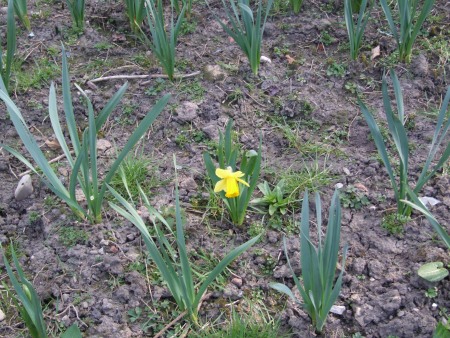
I’d not really considered the possibility of growing flowers for cutting on my allotment. I have a tub of spring flowers in my garden that I can see through the french windows. Someone on our plot though had planted some bulbs in the autumn and as they started to come up I couldn’t work out what they were. Finally when one flowered I realised they were daffodils! They visited every 5 days or so to cut the flowers for their home. Lovely!
Daffodils

Most allotments allow you to grow so many flowers – some set a maximum percentage though.

How to compost

Wednesday, April 11th, 2012

Composting for beginners

First get yourself a compost bin. Your local council will probably do a cheap
one. You can just use a heap method but it looks untidy.

If you have lots of grass cuttings then you will want to make sure you don’t
have too many put in at a time. This might mean having two bins. If you put
in too much grass at once it goes slimey. It will break down properly eventually
just goes through a rather yucky slimey stage. This is good for finding worms
in though if you like fishing!

Add in all your non-cooked non-meat kitchen waste. Put in kitchen roll tubes,
cardboard boxes shredded up. This can be used to break up the layers of grass.

If you have hedges then you can put small twigs on, ideally you’d shred
the twigs to make them smaller so they compost quicker. If you put twigs on
that are too big they take longer to break down.

Put everything in and when the bin is full leave it covered. This is where
you might find you need another bin. Even if the first bin sinks down you should
leave it alone. The sinking down means it’s all breaking down.

After several months it’ll mostly be done. You can remove the bin and
fork through the material. You might want to riddle it if you want to use the
compost in pots, or dig in the ground.

You can throw anything not composted back in.

Everything will break down eventually.

You don’t have to turn the compost heap but some people do and then leave
it again to break down again.

If it’s too wet it’ll go slimy, if it’s too dry it’ll
not compost.

You can add compost accelerator – bought or home made. Urine can be used
as compost accelerator.

If you don’t want a bin then you can just pile everything up in a heap
at the bottom of the garden. You don’t have to worry about getting the
mix right if you don’t mind leaving the heap alone and starting a new
one each year. Eventually the heap of material will be lovely and crumbly soil
packed with worms. Open heaps are often home to hedgehogs so can be a useful
addition to your garden.
If you use an open heap with lots of weeds in then you can cover it to exclude light and this stops the weeds growing!

I’ve just covered my compost pile up with a piece of carpet. This will allow the rain through but also keep the pile warm.
I’ve also thrown some muck in with my weeds and some grass cuttings.

If you put potato peelings on your compost heap then you will probably notice potatoes growing in it. You might even get a crop!

Someone who recently joined our allotment wheeled down 7 years worth of compost from his own garden. It was beautiful stuff he’d just left composting for years!

Bargains for the gardener

Wednesday, April 11th, 2012

Plant pots – old flower buckets from Morrisons. They’re sold at 8 for £1. They’re a great size for big plants.

Pound shop for seeds and plants and bulbs!
Look for free seed giveaways – there’s one on birds eye frozen peas at the moment and Kingsmill have free seeds on their facebook page (Although its not working at the moment!)

Allotment vandalism

Wednesday, April 11th, 2012

Vandalism at hathershaw Allotments
Smashed greenhouses, toppled sheds, burned crops and stolen tools is just some of the extreme vandalism which took place at Snipe Clough in Hathershaw.

South Chadderton Allotment

Tuesday, April 10th, 2012

If you live in Chadderton and want an allotment then you have several to pick from.

There’s one on Granby Street, one on Cartmel Crescent, one on Fernhurst Street.

The best thing to do is have a look at the site at the weekend when people are likely to be on the site. If it’s raining it’s less likely you’ll see anyone though!
Ask to be put on the waiting list.

The waiting list at some allotments is shorter than others!

Free training course in bradford

Monday, April 9th, 2012

The Bradford Community Environment Project (BCEP) is running the free courses offering tips and advice on a range of subjects for the smooth running of an allotment or a vegetable garden – The next session is on Saturday from 10am to noon at the Scotchman Road allotment site, Heaton, Bradford

Reducing water use in the garden and on the allotment

Monday, April 9th, 2012

The best thing you can do in the garden or on the allotment to reduce water use
is to improve the quality of the soil. The more organic material soil contains,
the more water it can hold naturally.
By using compost, manure and other organic material dug into the soil over time
we can improve the structure and quality of the soil. As you do this you also
improve the water retention properties and allow soil to hold water without being
soggy.

Drought preparing the soil in the entire of your garden is a slow process so
be prepared to make this a long term goal. There are several quicker measures
you can put in place to assist your low water gardening.

Pick plants that don’t mind drought. Mediterranean plants are used to
hot dry conditions and so don’t need regular watering. You’ll know
the sort of plants that have small narrow leaves that are designed to allow
less water to evaporate. They’re also pretty and often highly scented.
Obviously you have to water when you plant them, but after that they’ll
require very little water.

You should mulch flower beds and vegetable beds to ensure that the water in
the soil doesn’t get chance to evaporate. You can use well rotted compost,
grass clippings, or bark chippings as mulch. Bark can be decorative and if you
can find it free then that’s even better! You can use gravel too but this
doesn’t add anything to the soil itself.
If you have a shredder then shred all hedge clippings and you can compost these
and use as mulch too.

Some plants need water at particular stages. For instance, potatoes need water
when the tubers are growing larger. Beans and peas need it during flowering.
You don’t have to water as much all the time once you find out when plants
need water.

You don’t have to water every day. Water heavily and infrequently. Give
plants a soaking rather than a dribble.

Don’t use hosepipes either as they encourage water waste. Regular watering
can encourage more leafy green growth which then needs more water adding to
keep the plants growing. Slow growth at the plants owns speed is best.

Look for ways of feeding plants that doesn’t require watering in. If
it’s not going to rain all summer though a granular plant food isn’t
going to be absorbed into the soil. Sometimes a watered on feed is essential.

When you water plants do so in the early morning or later evening. Avoid watering
when the sun is high in the sky as more water will evaporate off. You can also
scorch the plants.

A big way to reduce water waste is to weed beds regularly. Weeds also have
a water need so by reducing these you reduce the competition for the water that
is in the soil already.

Have a compost heap too. Put all your weeds and cuttings and plant waste on
to the compost pile and use the compost on the garden. This cycles round plant
matter and reduces waste and improves the soil quality.

Avoid types of planting that require regular watering. If you plan not to have
hanging baskets then you reduce the need for watering them! It also takes a
chore off the daily list which can only be a good thing! Whilst they look lovely
you can use an awful lot of water.
If you must have hanging baskets look at the water retaining gels and liners
that can help reduce the need for watering. Have the baskets on a shaded wall
too and they’ll not be scorched dry by the sun so quickly. Keep them out
of the worst of the wind too as the wind will take away the water too.
Mulch the top of the baskets too. Some people swear by a piece of plastic fitted
into the middle of the basket that stops some of the water running straight
out and acts as an in-basket reservoir.

All of these hints should help you reduce your water burden in the garden!

At the same time you should also collect as much rainwater as you possibly
can and this can really help reduce your reliance on tap water. If you have
sheds, greenhouses or garages you can easily fit rain barrels. You can also
fit rainwater collection containers on to the house downpipes too!

You can buy special barrels or collect old barrels – but aim to keep
the water covered to prevent anyone or anything falling in.

Great garden ideas

Monday, April 9th, 2012

Whether you want to grow flowers or veggies, T&M have a massive choice.


Treat yourself to some seeds or plants from these garden experts.
Tons of special offers available
Thompson & Morgan
Have lots of offers listed on the front page – look for any free delivery codes or special deals they have.

Free delivery at T&M until Midnight tonight

Monday, April 9th, 2012

Free delivery offer on the T&M site – have just saved myself some money ordering my artichoke plants!

Thompson & Morgan

Thompson & Morgan has this new item today

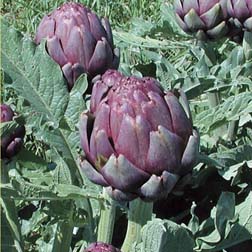
Globe Artichoke 'Concerto' F1 Hybrid - 5 plants

Globe Artichoke ‘Concerto’ F1 Hybrid – 5 plants £10.99
 Customer RatingGlobe Artichoke ‘Concerto’ is the first spineless purple hybrid variety, producing delicious crops with an excellent flavour. The astonishingly tasty hearts make a supreme delicacy when pickled, and the base of the leaves can be eaten too. This majestic perennial vegetable makes an attractive addition to any vegetable plot. It is ideal for the flower garden too, attracting bees to its thistle like flowers when left unharvested. Height: 180cm (71″). Spread: 75cm (30″).

It’s Hugh Fernley-Whittingstall’s fault for me buying them! I’ve always fancied trying my hand at them – but have been sat watching River Cottage Spring where he eat lots and divided up some plants. They looked so fab I thought I’d treat myself!

As soon as they arrive I will document my planting of them!

The code is clearly displayed on the site!

Make and Mend

Monday, April 9th, 2012

Make & Mend: A Guide to Recycling Clothes and Fabrics


Welcome to Make & Mend! This book shows how, with a little knowledge and creativity, you can make a wide range of fantastic items from those old clothes and fabrics you can’t bear to throw away.
Whether its a cushion cover from a coat, a tote bag from a torn dress or a neck tie from a negligee, this book will show you how to make it. A bit of know-how and a few ideas, and you can create gorgeous items with a completely personal stamp.

Packed full of projects, from aprons to curtains, bags to jewellery, we show you how to turn a pile of scraps into wearable, beautiful and personalised items. Each project offers a step-by-step guide to making successful pieces, as well as a wealth of information and encouragement to be as creative as possible and push your skills in a direction you might never have thought of. Included is a list of basic equipment, illustrations, tips and advice as well as a thorough grounding in the basics of hand and machine sewing, and a fully stocked resources section.

Each project is designed and illustrated to be as fun, interesting and as beautiful as possible. And the best bit is…you made it yourself!