Garden And Gardener

Everything for the Gardener and their Garden

Archive for the 'allotment' Category

Thinking about an allotment?

Monday, October 20th, 2014

This is the best TV series I’ve seen to help new gardeners. It’s a joy to watch if you’re an experienced allotmenter too!
https://www.youtube.com/watch?v=KVgi7goAnc4
The allotment is based in the South west and visits allotments around Bristol and Gloucester. They show you hints and tips, planting, building and great ideas. It’s really inspiring following the progress of the Bailey family who take on a neglected allotment in episode one!

It’s presented by David Cemlyn and Jane Moore! It is a lovely show and I’ve watched quite a few of them so far! I’ve picked up a few ideas for slug traps that I will be testing out!

David starts a plot on the no dig principles and it’s lovely to see the abandoned plot develop.

Really interesting allotment video

Sunday, October 19th, 2014

Episode one – this looks good! Starting from scratch with an overgrown plot! Have only watched a bit so far but it looks excellent and I’ll be watching more!
https://www.youtube.com/watch?v=KVgi7goAnc4

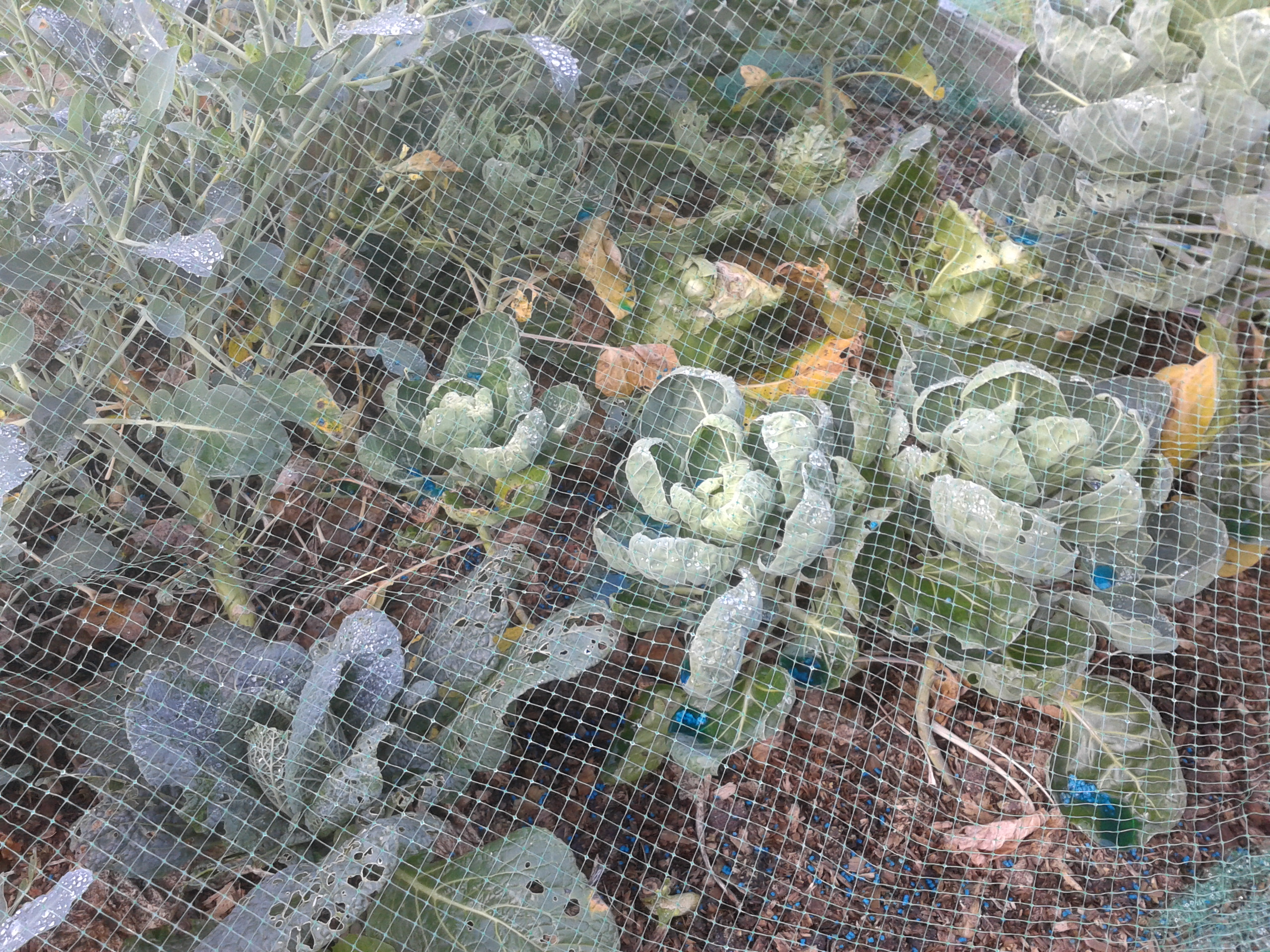
Too many slug pellets badly applied

Wednesday, October 1st, 2014

It happens on several plots on our allotment. The over-generous scattering of slug pellets. It’s madness really. The instructions are there to be read but are rarely followed. In this picture you can see someone has scattered them actually on to the plants and they’re dissolving slowly in the rain. Does this mean they’ll be more absorbed into the plant or washed off into the soil?

Too many slug pellets

Grass mulch

Saturday, September 6th, 2014

It’s a great opportunity to mow the lawn and start using the grass clippings on beds you’ve cleared. The layer of grass clippings will keep the soil covered which protects it from rain, sun and wind. By covering the soil you protect the top layer and encourage worm activity right near the surface.
Layer it on as thick as you can – it probably depends how much lawn you have to mow and how many empty beds you had to cover.
It’s well worth trying this as it can help the worms work the soil more. This improves the soil quality greatly. The grass will break down over the winter and by spring if there is any left, then you can brush it aside when planting.

I’ve been cheeky enough to ask neighbours in the past for their lawn clippings. I know they don’t use weed or moss killers so there’s no problem with me collecting their grass.

You can also use grass mulch as a layer on top of your compost bin. This can be useful if you have blighted stems to cover up.

Harvesting potatoes

Sunday, July 20th, 2014

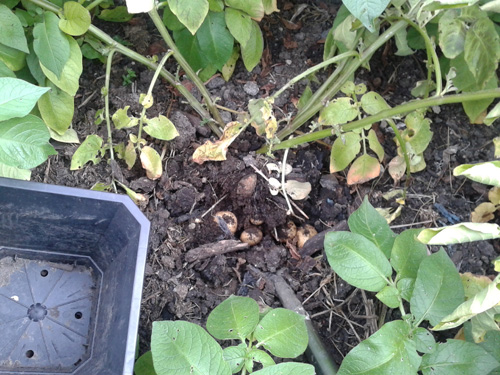
Harvesting potatoesHarvesting potatoes
The best bit of allotmenting is harvesting your crops and taking them home to eat and enjoy.
Harvesting potatoes is easy.
Ideally pick a day when it’s not raining as it makes it easier to get the potatoes out without getting covered in mud.
The tools you’ll need are a fork and a bucket.
Pick the plant you want to dig up and move the foliage so you can see the plant properly.
Once you see where the stems come out of the ground then look at putting the fork in about 15cm from the plant. Gently put in the fork and lift the soil. You can pull on the plant stems at the same time and this can help lift the plant out.
You should see potatoes. If your plants have very few potatoes on then leave the rest of that row for another few weeks.
Put the potatoes in the bucket – even the tiny ones. remove the plant foliage and put it on the compost heap.
Dig around with your hands if the soil is loose and easy to move. Take out the potatoes. Dig the area over carefully to find any ones hiding.
Take them in, wash and boil them up and serve with butter. Delicious.

When are potatoes ready to harvest?
12 weeks for first earlies and 16 weeks or so for main crops. Usually the flowers will have appeared and finished and then they’re ready to harvest.

Harvesting potatoes is a great task for children to help with. They will have fun spotting the potatoes hiding in the soil.

Tiny potatoes can be cooked still – for less time of course. They are a nuisance to wash though.

Harvesting sweet potatoes – Takes between 12 and 16 weeks before they have reached maturity. The plants will start to die back giving you the clue they are ready to be lifted from the ground. The sweet potatoes should be dug up before the first frosts or before excess rain which may cause them to rot in the ground. Lift and store in the same way as you would harvest potatoes.

How to harvest potatoes and other crops – an ebook to help you discover some useful hints and tips on getting the best harvest you can from your allotment.

A tour of our allotments

Sunday, July 20th, 2014

Andy does regular videos and every so often he does the full tour!

How to harvest your allotment produce

Friday, July 18th, 2014

How to harvest your allotment produce: When to pick your fruit and vegetables, how to pick them, time saving hints and a few ideas on what you can do with your harvest.

This is my latest ebook about harvesting your fruit and vegetables.


And yes I really have seen someone picking raspberries with a pair of scissors.

Companion planting sheet

Monday, June 30th, 2014

Companion planting sheet to print – very pretty!

Love potatoes?

Monday, June 23rd, 2014

Love potatoes Do you love potatoes?
I’m itching to start digging up my news potatoes! This week! I will post photos I promise of my crop! In the mean time enjoy this little heart shaped spud!

Motorised wheelbarrow

Saturday, June 7th, 2014

Interested in a motorised wheelbarrow? Probably not for the road though!
https://www.youtube.com/watch?v=7fBrq3CFzGE